



What's Happening?
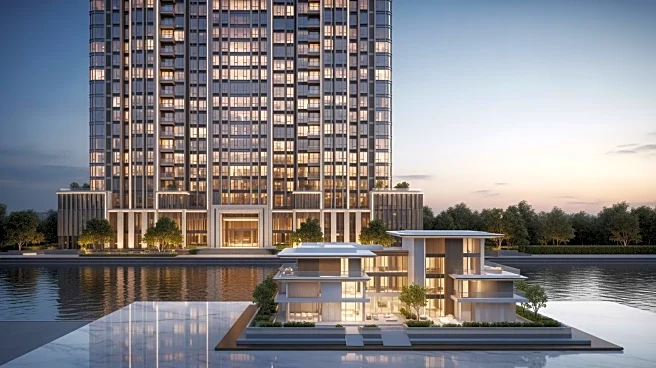
In Miami's Brickell District, a surge in branded residences is transforming the real estate landscape. Luxury brands such as Fendi, Armani, and Versace are partnering with developers to create high-end residential projects that reflect their brand identities. These residences, which include features like custom Fendi Casa walk-in closets and spa-inspired bathrooms, are part of a broader trend where fashion brands leverage their reputations to enter the real estate market. According to a report by Savills, Miami ranks second only to Dubai in the number of branded residence projects, with the trend expected to grow significantly by 2032. These projects are typically initiated through licensing agreements, allowing brands to set design and lifestyle
standards while developers benefit from premium pricing.
Why It's Important?
The expansion of luxury brands into the real estate sector represents a significant shift in how these companies are diversifying their revenue streams. By entering the high-end real estate market, brands can enhance their mystique and customer loyalty, while also tapping into a lucrative market. This trend is particularly pronounced in Miami, where favorable tax structures and a strong cultural and hospitality ecosystem attract high-net-worth individuals. The development of branded residences not only boosts the local economy but also elevates the city's status as a luxury destination. For the brands involved, these projects offer a way to maintain cultural relevance and engage emotionally with clients, potentially leading to long-term growth.
What's Next?
As the trend of branded residences continues to grow, more luxury brands are likely to enter the market, further blurring the lines between fashion and real estate. This could lead to increased competition among brands to offer unique and differentiated living experiences. Additionally, cities like Miami may see further economic benefits as these projects attract global buyers and investors. The success of these ventures could also inspire similar developments in other luxury markets worldwide, potentially reshaping the real estate landscape in major cities.
Beyond the Headlines
The rise of branded residences highlights a broader cultural shift towards lifestyle branding, where consumers seek to align their living spaces with their personal identities and values. This trend reflects a growing demand for personalized and immersive experiences, which could influence other sectors such as hospitality and retail. Moreover, the integration of luxury brands into real estate raises questions about accessibility and exclusivity, as these high-end projects cater primarily to affluent individuals. As this market evolves, it will be important to consider the social and economic implications of such developments.