




What's Happening?
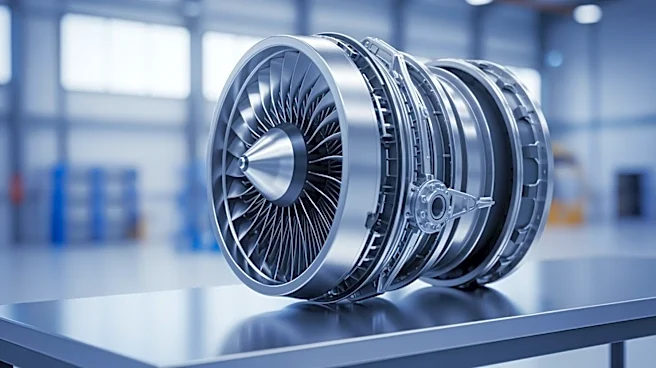
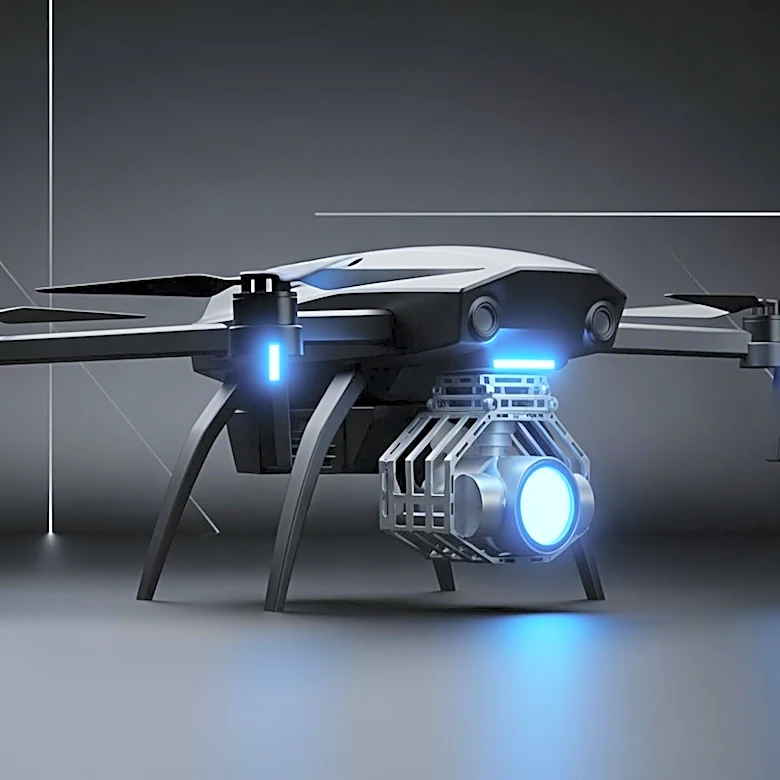
MTU Aero Engines is shifting its design philosophy to cater to the growing demand for high-end uncrewed aircraft systems. The company, known for its long-lasting engines with a focus on safety, is adapting to the needs of collaborative combat aircraft (CCA)
and similar systems. Ottmar Pfänder, head of programs at MTU, highlighted the need for a different mindset in this market. To facilitate this transition, MTU acquired AeroDesignWorks, a company with expertise in rapid design and cost-effective solutions suitable for the drone market. MTU aims to become a leading provider of drone propulsion in Europe, reflecting the continent's interest in homegrown supply options. The company is in discussions with potential customers about engine concepts, acknowledging the wide range of demands and technical requirements. MTU is also dealing with uncertainty regarding the Franco-German-Spanish New Generation Fighter program, which is part of the Future Combat Air System program.
Why It's Important?
The shift in MTU's strategy signifies a broader trend in the aerospace industry towards uncrewed systems, which are increasingly important in modern military operations. By focusing on drone propulsion, MTU is positioning itself to meet the evolving needs of military customers who are seeking more flexible and cost-effective solutions. This move could enhance Europe's strategic autonomy in defense technology, reducing reliance on external suppliers. The success of this initiative could lead to significant economic benefits for MTU and its partners, potentially creating new jobs and fostering innovation in the aerospace sector. However, the uncertainty surrounding the New Generation Fighter program poses challenges, as it affects MTU's workforce and future planning.
What's Next?
MTU will continue to engage with potential customers to refine its engine concepts and adapt its technological expertise to meet diverse demands. The company is also awaiting clarity on the New Generation Fighter program, which will influence its strategic direction and resource allocation. If the program proceeds, MTU's joint venture with Safran could play a crucial role in powering the new fighter jets. Meanwhile, MTU's efforts to lead in drone propulsion will likely involve further collaborations and investments in research and development to stay competitive in this rapidly evolving market.