




What's Happening?
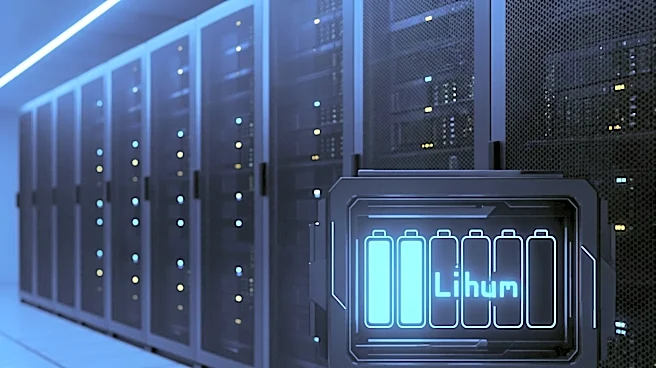
AI data centers are experiencing significant growth, leading to increased demand for energy storage solutions that can handle unpredictable power usage. Traditional lithium-ion batteries, while quick to respond and commercially mature, degrade rapidly
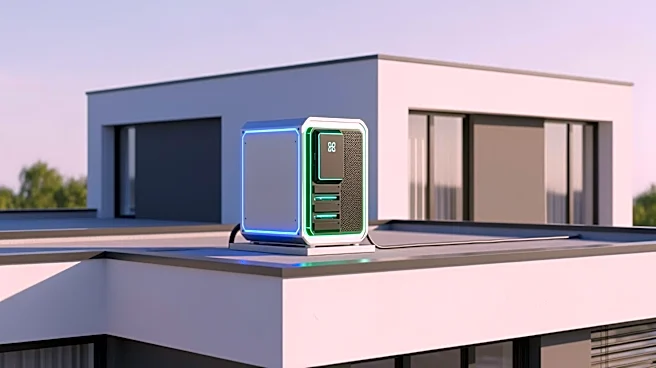
under the high-frequency cycling required by AI data centers. This degradation makes them less economically viable for long-duration energy storage. Flow batteries, which allow energy and power to scale independently, are emerging as a more resilient alternative. These batteries can handle the relentless cycling demands without the degradation typical of lithium-ion systems. As AI data centers expand, the need for storage solutions that can absorb and release energy efficiently during power surges and dips becomes critical.
Why It's Important?
The expansion of AI data centers is reshaping energy storage needs, highlighting the limitations of current lithium-ion technology. This shift has significant implications for the energy sector, as it underscores the necessity for alternative storage solutions like flow batteries. The ability to efficiently store and manage energy is crucial for maintaining grid stability, especially as data centers become one of the most volatile loads. The transition to more resilient storage technologies could reduce reliance on fossil fuels, supporting a cleaner energy future. However, if storage solutions are inadequate, there may be a fallback to fossil generation, impacting environmental goals.
What's Next?
As AI data centers continue to grow, the demand for advanced energy storage solutions will likely increase. Stakeholders in the energy sector may need to invest in developing and deploying technologies like flow batteries to meet these demands. This could involve significant research and development efforts, as well as potential policy changes to support the integration of new storage technologies. The shift towards more sustainable energy storage solutions could also drive innovation and investment in the renewable energy sector, aligning with broader environmental objectives.
Beyond the Headlines
The evolution of energy storage technologies in response to AI data center demands could have broader implications for the energy industry. It may lead to a reevaluation of current energy policies and infrastructure investments, prioritizing long-term sustainability and resilience. Additionally, the shift could influence global energy markets, as countries seek to balance technological advancements with environmental commitments. The development of more efficient storage solutions could also spur economic growth, creating new opportunities in the energy sector.