
What's Happening?
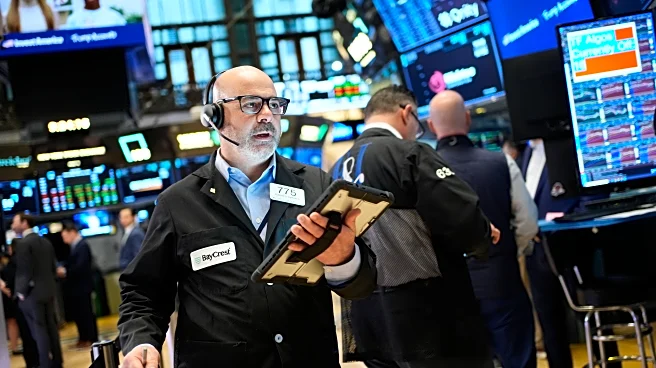
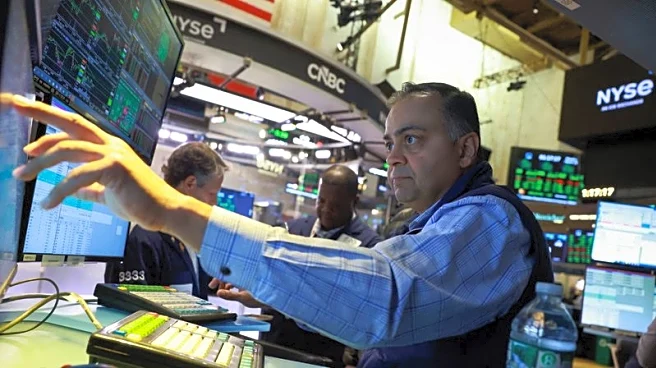
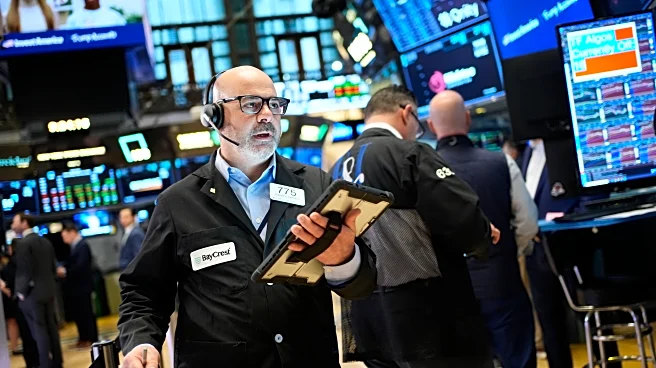
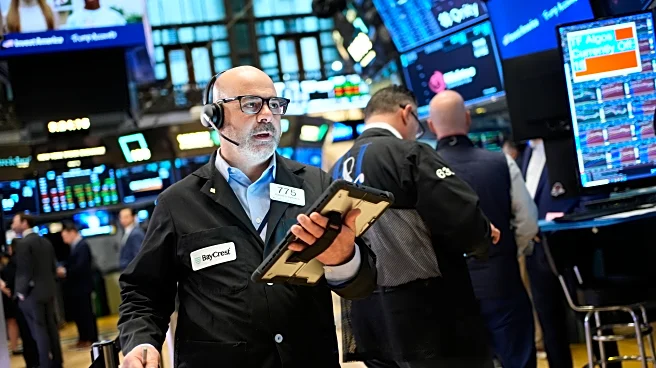
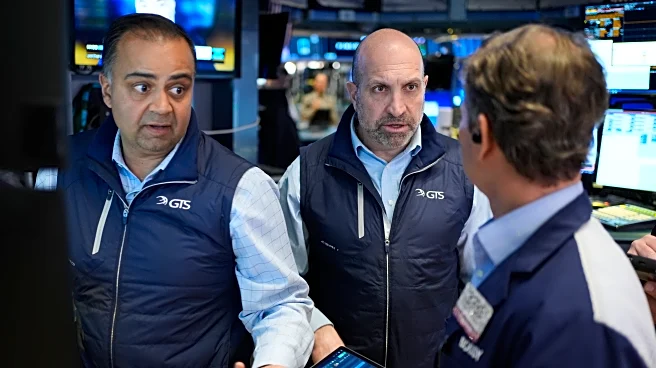
U.S. stock markets experienced a significant downturn as the ongoing conflict with Iran and rising energy inflation continued to impact investor sentiment. The Dow Jones Industrial Average, S&P 500, and Nasdaq all reached their lowest levels of the year.
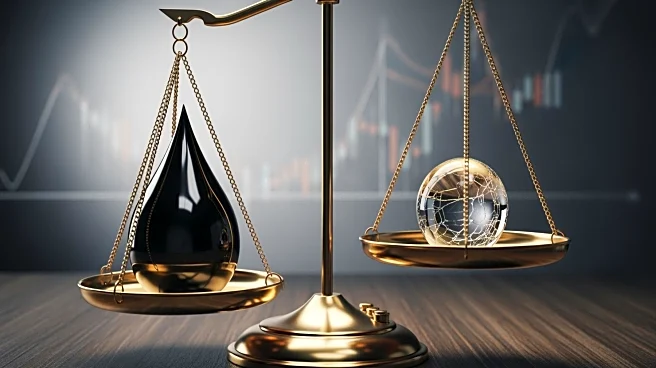
The Nasdaq, in particular, extended its losses after entering correction territory, having fallen more than 10% from its record high in October. The Dow was also on the verge of a correction, down nearly 10% from its February peak. The primary driver of this market volatility is the increase in oil prices, with Brent crude rising to $112.65 per barrel and U.S. crude to $99.77 per barrel. Additionally, Treasury yields have climbed, reflecting investor concerns about prolonged inflation and interest rate hikes.
Why It's Important?
The decline in U.S. stock markets highlights the broader economic implications of geopolitical tensions and inflationary pressures. Rising oil prices, driven by the conflict with Iran, are contributing to increased costs across various sectors, potentially leading to higher consumer prices and reduced economic growth. The tech-heavy Nasdaq is particularly vulnerable due to its sensitivity to interest rate changes and economic growth prospects. As investors adjust their expectations for inflation and interest rates, the increased bond yields may divert investments away from stocks, further impacting market stability. This situation underscores the interconnectedness of global events and their influence on U.S. economic conditions.
What's Next?
As the conflict with Iran continues, market volatility is expected to persist. Investors will likely monitor developments closely, particularly any changes in oil prices and Federal Reserve policy responses to inflation. The Federal Reserve's decisions on interest rates will be crucial in shaping market expectations and investor behavior. Additionally, geopolitical developments, such as potential escalations or resolutions in the Iran conflict, will play a significant role in determining future market trends. Stakeholders, including businesses and policymakers, will need to navigate these uncertainties to mitigate economic risks.