









What's Happening?
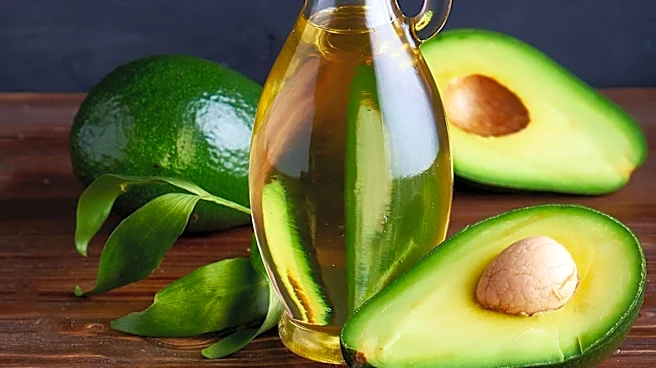
A study from Yale University has found that different types of dietary fats can have varying effects on pancreatic cancer, with some fats accelerating tumor growth while others suppress it. The research, published in Cancer Discovery, highlights that oleic
acid, a monounsaturated fat found in olive oil, may promote tumor growth, contrary to its reputation as a heart-healthy fat. In contrast, polyunsaturated fats, particularly omega-3 fatty acids found in fish oil, were shown to slow cancer development. The study involved testing 12 high-fat diets in mice, each reflecting common American eating habits, to determine the impact of specific fatty acids on cancer progression.
Why It's Important?
This research is crucial as it challenges the conventional understanding of dietary fats and their health implications, particularly in relation to cancer. With pancreatic ductal adenocarcinoma being one of the deadliest cancers, understanding how diet influences its development could lead to better prevention strategies. The findings suggest that not all fats are equal, and the type of fat consumed can significantly affect cancer risk. This could inform dietary guidelines and public health policies aimed at reducing cancer incidence, especially among high-risk groups.
What's Next?
Future research will focus on confirming these findings in human studies and exploring whether altering dietary fat composition can benefit patients with existing tumors. Researchers also aim to investigate the potential of using the balance of monounsaturated to polyunsaturated fats in the blood as an early indicator of pancreatic cancer risk. These studies could lead to more personalized dietary recommendations and preventive measures for those at higher risk of developing pancreatic cancer.