
What's Happening?
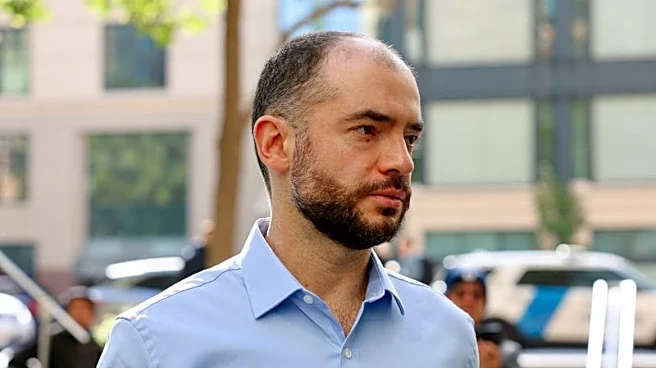
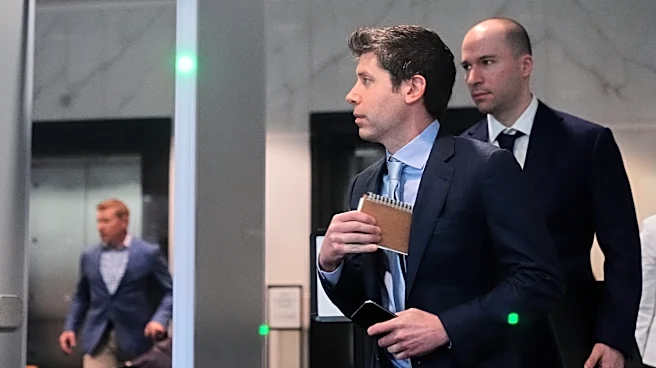
Sam Altman, CEO of OpenAI, testified in a high-profile trial where Elon Musk accuses him of betraying OpenAI's founding mission. Musk claims that Altman and OpenAI president Greg Brockman shifted the company
from a nonprofit to a for-profit model, contrary to its original goal of serving the public good. Altman refuted these claims, asserting that Musk sought to control OpenAI by demanding a majority stake. The trial, taking place in Oakland, California, could determine OpenAI's future structure and leadership. Musk's lawsuit seeks to revert OpenAI to a nonprofit and demands $150 billion in damages, alleging that Altman and Brockman attempted to 'steal a charity.'
Why It's Important?
The trial's outcome could have significant implications for OpenAI and the broader AI industry. A ruling in favor of Musk could alter OpenAI's business model, affecting its competitive position in the AI market. The case highlights the challenges tech companies face in balancing profit motives with ethical responsibilities. It also raises questions about governance and control in tech startups, particularly those with substantial societal impact. The trial's proceedings are closely watched by industry stakeholders, as they could influence future corporate governance practices in the tech sector.
What's Next?
The trial is expected to conclude soon, with a verdict anticipated by the week of May 18. The decision could lead to significant changes in OpenAI's leadership and operational model. If Musk's demands are met, it could set a precedent for how tech companies navigate the tension between profit and public good. The outcome may also impact investor relations and strategic partnerships, particularly with major stakeholders like Microsoft. The tech community is closely monitoring the trial, as it could influence future legal and ethical standards in the industry.