



What's Happening?
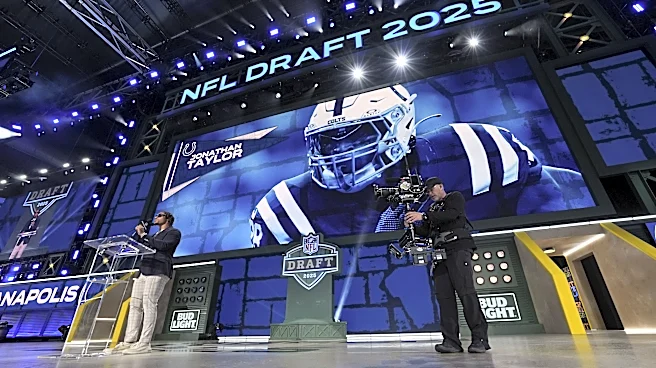
Arizona State University is adjusting its cornerback lineup following the departure of Keith Abney II, who was drafted by the Detroit Lions in the fifth round of the NFL Draft. Abney's selection marks a significant achievement for the Sun Devils, as he is the first
defensive back from the university to be drafted since 2022. In response, Arizona State's defensive coordinator Brian Ward and cornerback coach Demetrice Martin have restructured the team's defensive backfield. Rodney Bimage Jr. is expected to step into the role of the top cornerback, having shown promise in previous seasons despite an injury setback. Ashton Stamps, a transfer from LSU, is anticipated to fill the second cornerback position, bringing his experience and skills to the team. Additionally, Adrian 'Boogie' Wilson is transitioning to the nickelback position, leveraging his physicality and football intelligence to fill the gap left by Abney.
Why It's Important?
The restructuring of Arizona State's cornerback lineup is crucial for maintaining the team's competitive edge in collegiate football. The departure of a key player like Keith Abney II to the NFL highlights the program's ability to develop talent capable of reaching professional levels, which can enhance the university's reputation as a breeding ground for NFL prospects. This transition also provides opportunities for other players, such as Rodney Bimage Jr. and Ashton Stamps, to step up and prove their capabilities on the field. The successful integration of these players into the starting lineup could significantly impact the team's performance in the upcoming season, potentially influencing their standings and attracting future recruits.
What's Next?
As the new season approaches, Arizona State will focus on solidifying its defensive strategies with the restructured cornerback lineup. The coaching staff will likely emphasize training and development to ensure that players like Rodney Bimage Jr., Ashton Stamps, and Adrian Wilson can effectively fill the roles left by departing players. The team's performance in early games will be closely watched to assess the effectiveness of these changes. Additionally, the success of these players could influence future recruitment strategies and the overall direction of the program.