



What's Happening?
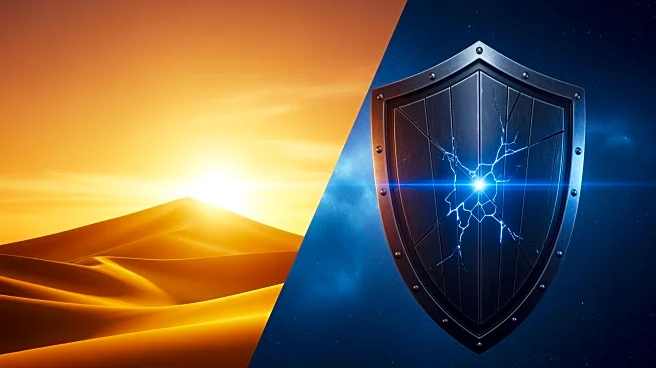
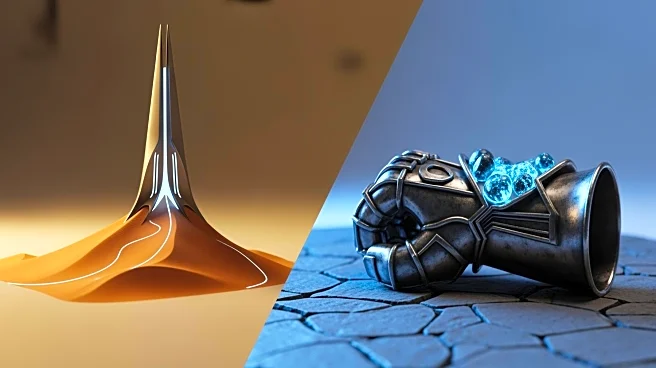
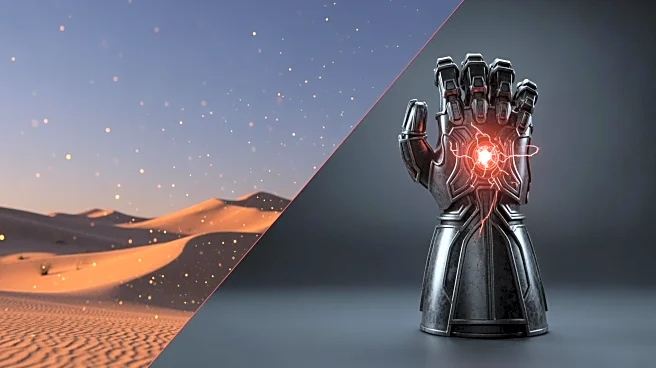
Warner Bros. and Legendary's 'Dune: Part Three' and Disney and Marvel's 'Avengers: Doomsday' are set to release on the same date, December 18. This scheduling conflict has created a significant dilemma for theater owners who are eager to fill seats with
blockbuster films. The release date clash was solidified when the 'Dune' movie poster confirmed the December 18 date. Both films are highly anticipated, with 'Dune' securing Imax screens for three weeks of exclusivity, a significant draw for audiences. The overlap in release dates is reminiscent of the 'Barbenheimer' phenomenon in 2023, but unlike that event, both 'Dune' and 'Avengers' target similar demographics, potentially splitting the audience.
Why It's Important?
The simultaneous release of two major films could impact box office revenues, as audiences may have to choose between the two due to time or financial constraints. This situation is particularly challenging for theaters that have struggled in recent years and are now faced with the task of maximizing attendance. The competition for Imax and premium large format screens adds another layer of complexity, as 'Dune' has secured these screens, potentially limiting 'Avengers: Doomsday's' reach. The outcome of this release date standoff could influence future scheduling decisions for major studios, as they seek to avoid similar conflicts that could dilute their box office performance.
What's Next?
Both films are expected to draw large audiences, but the competition for screens and audience attention could lead to strategic decisions by the studios. Disney and Marvel have shown no intention of moving their release date, despite 'Dune's' Imax exclusivity. Theaters may need to balance screen allocations between the two films, while also accommodating other releases during the holiday season. The situation may prompt discussions within the industry about the benefits and drawbacks of releasing multiple blockbusters simultaneously, especially in a post-pandemic market where audience habits and preferences are still evolving.