
What's Happening?
Emerald Fennell's adaptation of Emily Brontë's 'Wuthering Heights' is receiving early praise from critics, despite the official review embargo. The film, starring Margot Robbie and Jacob Elordi, has been
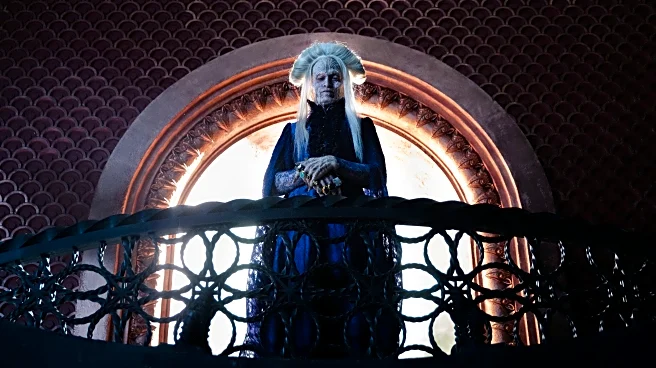
described with terms such as 'intoxicating' and 'hypnotic.' The movie premiered in Paris and is expected to be a financial success for Warner Bros. The adaptation is noted for its departure from traditional interpretations, focusing on a more visually extravagant presentation. The film is set to open on February 13, and while early reactions are overwhelmingly positive, they are primarily from those with early access, which may skew perceptions.
Why It's Important?
The positive reception of 'Wuthering Heights' highlights the potential for classic literature adaptations to succeed in modern cinema, especially when reimagined with a fresh perspective. This film could influence future adaptations by encouraging filmmakers to take creative liberties with source material. For Warner Bros., the film represents a potential box office success, continuing a successful streak following previous hits. The film's reception may also impact awards season, particularly in categories related to visual and artistic achievements. The casting of high-profile actors like Margot Robbie further underscores the film's potential to attract a wide audience.
What's Next?
As the film approaches its release date, more comprehensive reviews are expected to emerge, providing a clearer picture of its reception. The film's performance at the box office will be closely watched, as it could set a precedent for future adaptations of classic literature. Additionally, the film's success may influence casting and production decisions in Hollywood, particularly regarding the adaptation of well-known literary works. The industry will also be observing the film's impact on awards season, as it could become a contender in various categories.
Beyond the Headlines
The adaptation of 'Wuthering Heights' raises questions about the balance between staying true to source material and offering a new interpretation. This film's approach may spark discussions about the role of creative freedom in adaptations and how it affects audience reception. The film's visual style and casting choices could also influence future projects, encouraging filmmakers to explore bold and unconventional approaches to storytelling. Additionally, the film's success could lead to a resurgence of interest in classic literature adaptations, potentially bringing these stories to a new generation of viewers.