

What's Happening?
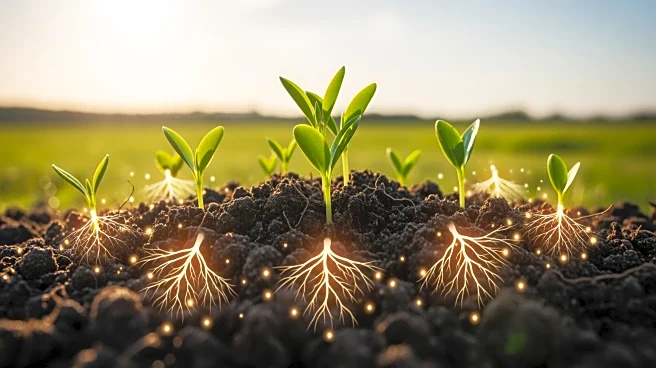
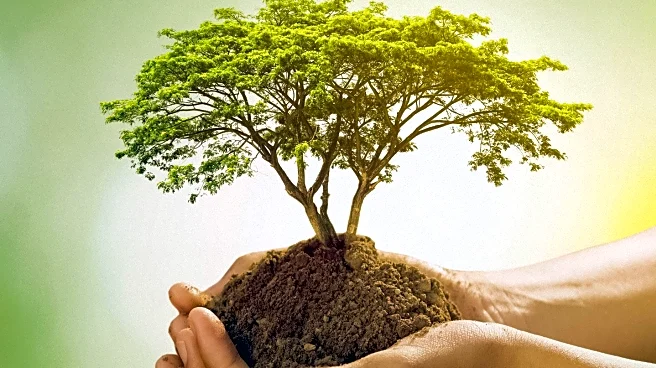
Tu Bishvat, traditionally a minor Jewish holiday marking the new year for trees, has evolved over the centuries to encompass themes of environmental responsibility and cultural reflection. Originally a practical tax day for trees, it has grown to symbolize a deep bond between humans and the land, emphasizing the importance of environmental stewardship. In the modern era, Tu Bishvat has been embraced by the Zionist movement as a festival of planting and national renewal. Recently, it has taken on a new layer of meaning, focusing on tikkun olam, or repairing the world, by promoting daily commitments to environmental protection. This shift reflects a broader cultural and spiritual connection to the land and a long-term responsibility for the planet.
Why It's Important?
The transformation of Tu Bishvat into a festival of environmental responsibility highlights a growing global awareness of ecological issues. By integrating environmental themes into cultural and religious practices, Tu Bishvat serves as a reminder of the interconnectedness of human and environmental health. This evolution underscores the importance of sustainable practices and the role of cultural traditions in promoting environmental consciousness. As societies face increasing environmental challenges, such cultural shifts can inspire collective action and policy changes aimed at preserving natural resources and combating climate change. The holiday's emphasis on planting and renewal also aligns with broader efforts to promote reforestation and biodiversity.