
What's Happening?
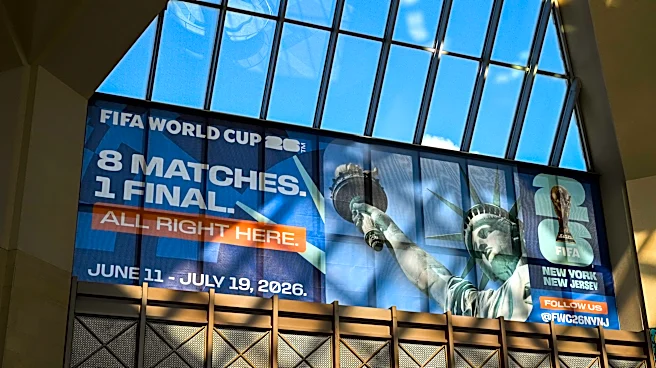
The upcoming World Cup games at MetLife Stadium in New Jersey present a significant economic opportunity for homeowners to offer short-term rentals. However, the regulatory landscape is complex, with local
ordinances varying greatly across municipalities. While some towns like Clifton have eased restrictions to capitalize on the event, others, such as Kearny, have tightened bans on short-term rentals. Airbnb is incentivizing new hosts with a $750 bonus for first-time rentals, projecting substantial income for hosts. Homeowners must navigate these regulations carefully, as violations can result in severe penalties, including fines and jail time.
Why It's Important?
The World Cup is expected to bring a large influx of visitors to New Jersey, creating a demand for short-term accommodations. This situation highlights the tension between economic opportunities and regulatory compliance. Homeowners stand to gain financially by renting out their properties, but they must adhere to local laws to avoid penalties. The varying regulations underscore the need for clear and consistent policies to support both economic growth and community stability. This scenario also reflects broader challenges in balancing tourism-driven economic benefits with local governance and community concerns.
What's Next?
As the World Cup approaches, homeowners and potential hosts must conduct thorough research to ensure compliance with local regulations. Municipalities may continue to adjust their policies in response to the event's demands, potentially leading to further changes in the regulatory landscape. Stakeholders, including local governments, residents, and rental platforms, may engage in discussions to address concerns and optimize the economic benefits of the event. The outcome of these interactions could influence future approaches to short-term rentals in the region.