


What's Happening?
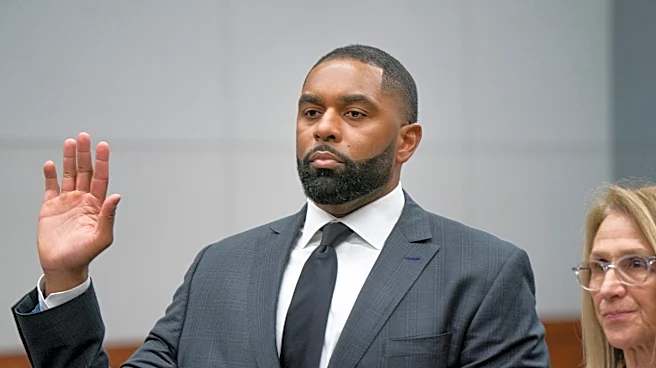
Former Michigan head coach Sherrone Moore has been sentenced to 18 months of probation after pleading no contest to misdemeanor charges of malicious use of a telecommunications device and trespassing. This decision follows Moore's firing from Michigan in December,
which was prompted by an investigation into his romantic relationship with a former staff member. After his dismissal, Moore reportedly went to the staffer's residence, where he allegedly threatened to harm himself. Initially facing more severe charges, including third-degree home invasion, Moore reached a plea deal in March, reducing the charges to misdemeanors. As part of his probation, Moore is required to undergo random alcohol and drug testing, continue mental health treatment, and is prohibited from possessing weapons or contacting the former staffer.
Why It's Important?
The case highlights the complexities and potential consequences of personal relationships within professional environments, particularly in high-profile positions such as collegiate sports coaching. Moore's situation underscores the importance of maintaining professional boundaries and the potential legal ramifications when these boundaries are crossed. The outcome of this case may influence how universities and sports organizations handle similar situations in the future, potentially leading to stricter policies and oversight regarding personal conduct. Additionally, the case serves as a reminder of the personal and professional fallout that can occur from such incidents, affecting not only the individuals directly involved but also their families and professional communities.
What's Next?
Moore's probation terms include ongoing mental health treatment and restrictions on contact with the former staffer, which suggests a focus on rehabilitation and prevention of future incidents. The case may prompt universities to review their policies on staff relationships and conduct, potentially leading to more comprehensive guidelines and training programs. Stakeholders in collegiate sports may also advocate for increased support systems for coaches and staff to address personal issues before they escalate. The broader sports community will likely monitor the situation to assess the effectiveness of the legal and rehabilitative measures imposed.