



What's Happening?
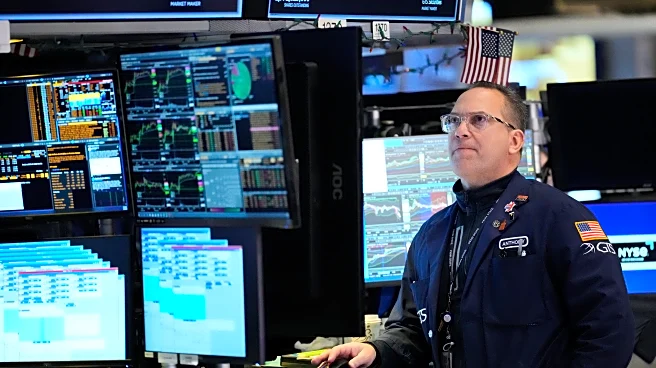
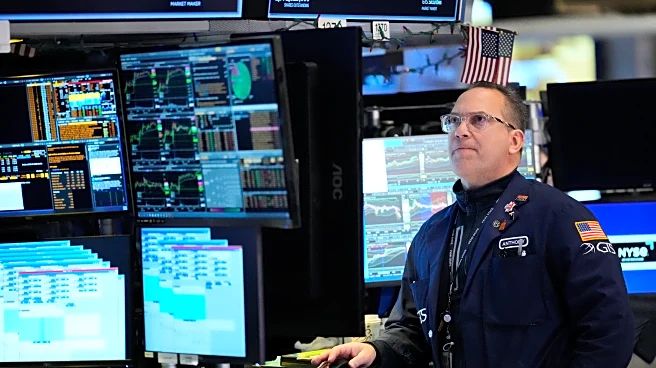
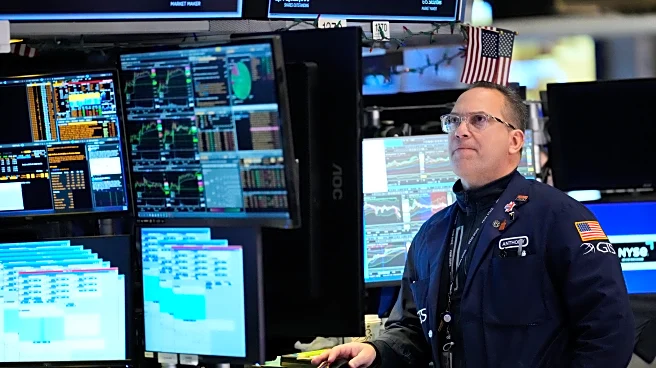
The U.S. job market experienced a significant downturn in February, losing 92,000 jobs, as reported by the Bureau of Labor Statistics. This figure contrasts sharply with economists' expectations of a 59,000 job increase and follows a gain of 126,000 jobs in January.
The unemployment rate rose to 4.4%, slightly above the anticipated 4.3%. This unexpected job loss has reignited discussions about potential Federal Reserve interest rate cuts in the first half of 2026. The financial markets reacted to the report with U.S. stock index futures declining, the Nasdaq dropping by 1%, and the S&P 500 falling by 0.8%. Additionally, the 10-year Treasury yield decreased by four basis points to 4.11%. In the commodities market, gold and silver prices increased, while WTI crude oil surged by 6.2% to $86 per barrel.
Why It's Important?
The February job market report is crucial as it may influence the Federal Reserve's monetary policy decisions. The unexpected job losses and rising unemployment rate could prompt the Federal Reserve to reconsider its stance on interest rates, potentially leading to rate cuts to stimulate economic growth. This development is significant for various stakeholders, including businesses, investors, and consumers, as interest rate changes can impact borrowing costs, investment decisions, and consumer spending. Additionally, the rise in oil prices due to Middle East tensions could exacerbate inflationary pressures, complicating the Federal Reserve's policy decisions. The interplay between job market performance, inflation expectations, and monetary policy will be closely monitored by economic stakeholders.
What's Next?
The Federal Reserve is scheduled to meet on March 18, where it will assess the current economic conditions and decide on the appropriate monetary policy actions. Market participants are currently pricing in a high probability that the Federal Reserve will maintain its current interest rate stance. However, the recent job market data and rising oil prices could lead to a reassessment of this outlook. Stakeholders will be watching for any signals from the Federal Reserve regarding potential rate cuts or other policy adjustments. Additionally, ongoing geopolitical tensions and their impact on energy prices will be key factors influencing future economic conditions and policy decisions.