



What's Happening?
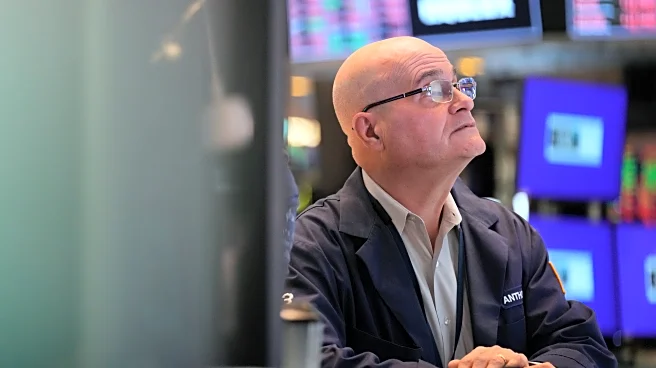
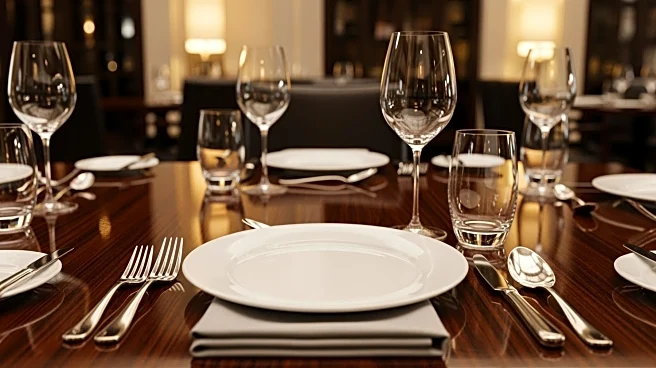
Delmonico's, a historic steakhouse located near the New York Stock Exchange, is experiencing shifts in its traditional business lunch clientele as Wall Street adapts to post-pandemic office dynamics. The restaurant, known for its iconic Delmonico ribeye
and baked Alaska, serves as both a business lunch venue and a tourist attraction. Owner Dennis Turcinovic notes that while the restaurant still hosts numerous corporate events, the nature of business lunches is evolving. Companies like JPMorgan are investing in in-house dining facilities, offering gourmet options to entice employees back to the office. This trend is part of a broader strategy to make office environments more appealing, especially to younger employees who value such perks. Despite these changes, Delmonico's continues to cater to high-finance tastes, maintaining its status as a staple in Manhattan's Financial District.
Why It's Important?
The shift in dining habits at Delmonico's reflects broader changes in corporate culture and office dynamics on Wall Street. As companies invest in in-house dining options, traditional business lunch venues may see a decline in patronage. This trend highlights a shift in how businesses are attempting to attract and retain talent, particularly in a competitive job market where perks and benefits play a significant role. The move towards in-house dining could impact the restaurant industry, particularly establishments that have historically relied on business clientele. Additionally, this change underscores the ongoing transformation of office spaces post-pandemic, as companies seek to create environments that blend work and leisure to enhance employee satisfaction and productivity.
What's Next?
As more companies follow JPMorgan's lead in enhancing in-house dining options, traditional business lunch venues like Delmonico's may need to adapt their strategies to maintain relevance. This could involve diversifying their offerings or enhancing the dining experience to compete with corporate cafeterias. The restaurant industry may also see a shift in focus towards catering to tourists and local diners rather than relying solely on business clientele. Additionally, the trend of integrating dining into office spaces may continue to grow, influencing how commercial real estate is developed and utilized in urban centers.