
What's Happening?
During the practice sessions for the Australian Grand Prix, Max Verstappen's Red Bull car sustained significant damage after a mishap at Turn 10 in Melbourne's Albert Park. The incident occurred as Verstappen was pushing his car to the limits, resulting
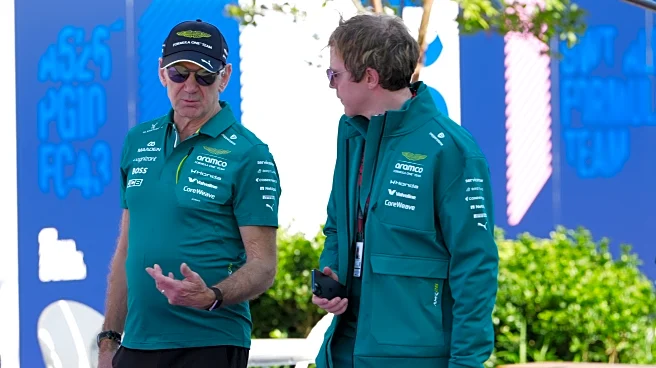
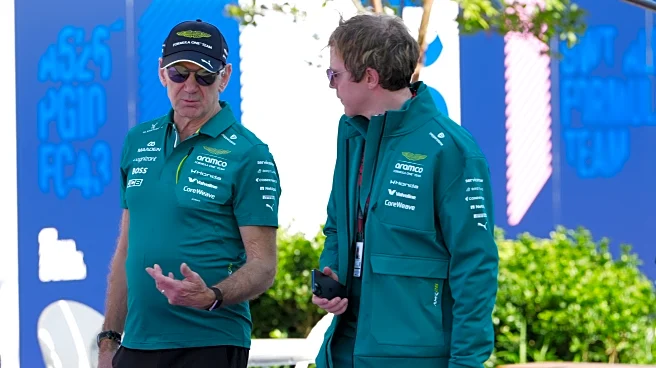
in a trip into the gravel. Despite the damage, Verstappen managed to avoid a more severe crash. Meanwhile, Aston Martin is facing challenges with its battery allocation, having used half of its supply for the weekend. Additionally, Qatar Airways, a major sponsor, has canceled its hospitality events at the Grand Prix due to the ongoing Middle East crisis, citing the inappropriateness of celebrations while guests are affected by the conflict.
Why It's Important?
The damage to Verstappen's car could impact Red Bull's performance in the season opener, potentially affecting their championship aspirations. Aston Martin's battery issues highlight the challenges teams face under the new regulations, which could influence race strategies and outcomes. The cancellation of Qatar Airways' events underscores the broader geopolitical tensions affecting international events, reflecting the interconnectedness of global sports and politics. These developments could have financial implications for the teams and sponsors involved, as well as influence the public perception of Formula 1's global operations.
What's Next?
Red Bull will need to address the damage to Verstappen's car swiftly to ensure competitiveness in the upcoming races. Aston Martin must manage its remaining battery resources carefully to avoid further complications. The situation in the Middle East may continue to affect Formula 1 events, with potential cancellations or adjustments to the race calendar. Teams and sponsors will likely monitor geopolitical developments closely, as these could impact future events and partnerships.