



What's Happening?
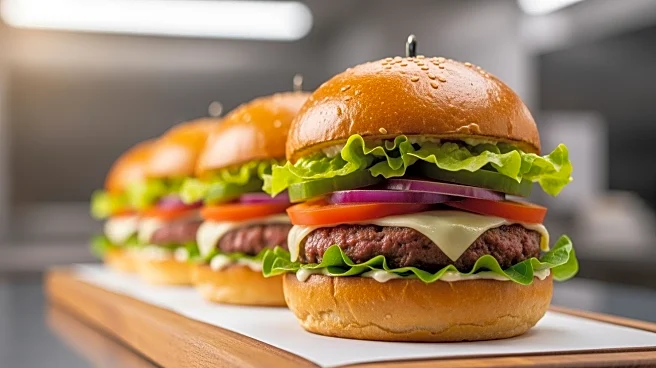
McDonald's CEO Chris Kempczinski's Instagram post on February 3, showcasing the new Big Arch burger, initially went unnoticed until an Irish comedian, Garron Noone, reacted to it on TikTok. This reaction quickly went viral, amassing millions of views
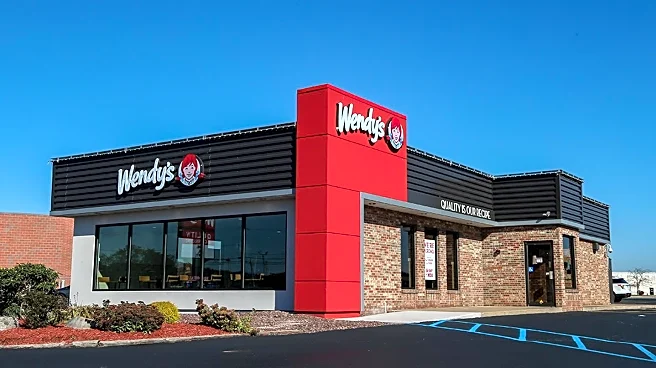
and sparking a global conversation. The viral moment was further amplified by other fast-food chains like Burger King, A&W, and Wendy's, which joined the trend with their own social media posts. This incident highlights the power of creators over traditional influencers, as the comedian's instinctive reaction turned a routine product launch into a cultural phenomenon without any paid media involvement.
Why It's Important?
The event underscores the shifting dynamics in marketing, where cultural fluency and the ability to react quickly can surpass traditional marketing strategies. It demonstrates how social media and the creator economy can rapidly influence brand perception and consumer engagement. For businesses, this highlights the importance of being agile and culturally aware, as well as the potential for unexpected viral moments to impact brand narratives. The incident also illustrates the unpredictable nature of authenticity in marketing, where genuine expressions can lead to varied public reactions.
What's Next?
Brands may need to reassess their marketing strategies to better leverage the creator economy and prepare for rapid cultural shifts. This could involve building infrastructure to quickly respond to viral moments and engaging with creators who can authentically connect with audiences. Companies might also focus on developing cultural fluency to navigate the fast-paced digital landscape effectively. As social media continues to blur geographical boundaries, brands must be ready to capitalize on global trends and conversations initiated by creators.
Beyond the Headlines
This development raises questions about the role of authenticity in marketing and how brands can maintain control over their narratives in a decentralized media environment. It also highlights the potential for creators to influence global brand perceptions, challenging traditional marketing hierarchies. The incident may prompt discussions on the ethical implications of leveraging viral moments and the responsibilities of brands in managing their public image in a rapidly changing digital world.