


What's Happening?
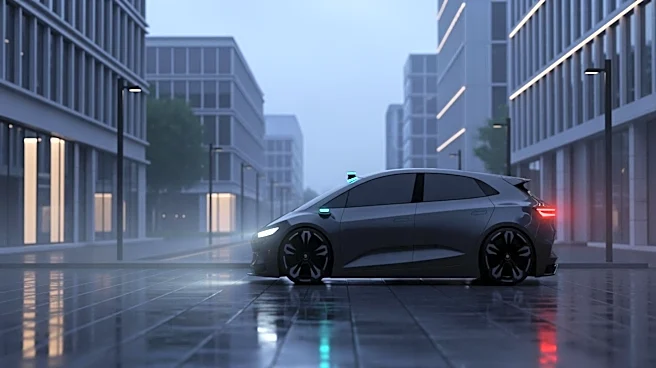
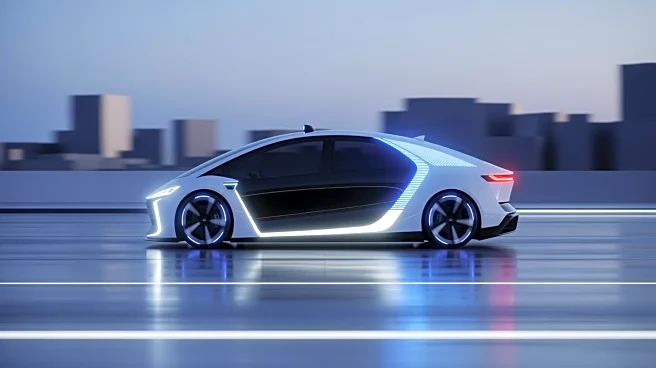
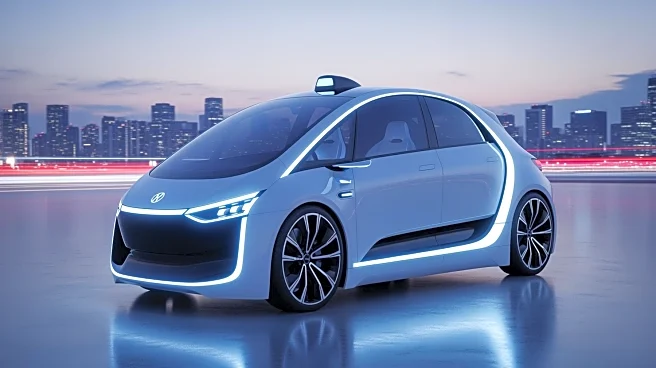
XPeng, a Chinese electric vehicle manufacturer, has created a distinct robotaxi division, marking a strategic shift from traditional car manufacturing to autonomous mobility services. This new unit will focus on driverless ride-hailing services, separating
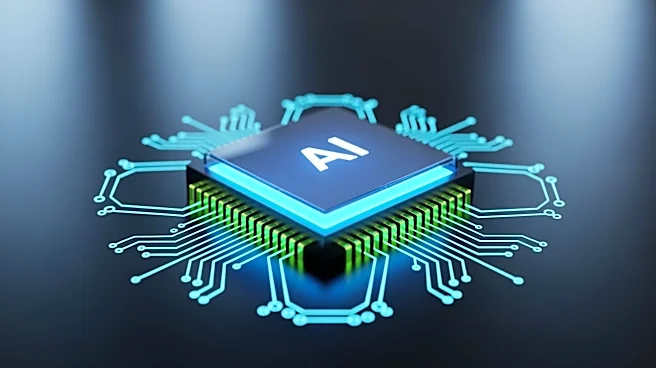
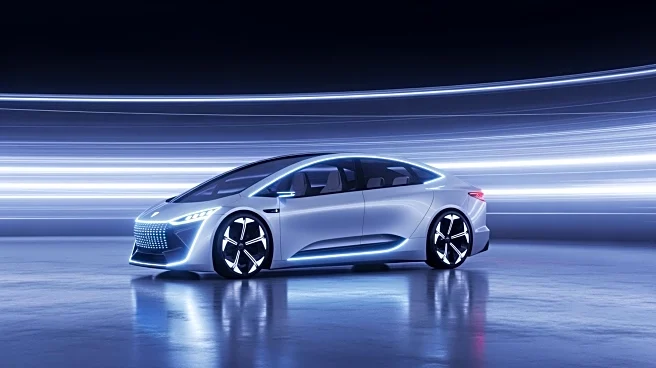
fleet operations from XPeng's core vehicle and technology development. The move positions XPeng in direct competition with other autonomous mobility players like Baidu and Pony.ai. XPeng is developing a full-stack autonomous driving system supported by its in-house Turing AI chips, with multiple robotaxi-ready models expected by 2026. Pilot testing is underway in China, with regulatory approvals expanding.
Why It's Important?
XPeng's decision to establish a standalone robotaxi unit highlights the rapid evolution of the automotive industry towards autonomy. This move could accelerate the commercialization of autonomous vehicles, potentially transforming urban transportation by reducing reliance on private car ownership. For the U.S. market, XPeng's advancements may influence domestic automakers to intensify their focus on autonomous technologies. The shift also underscores the growing importance of AI and robotics in the automotive sector, which could lead to new business models and revenue streams.
What's Next?
XPeng will likely continue to develop and test its autonomous technologies, aiming for commercial readiness in urban environments. The company may seek partnerships to enhance its service offerings and expand its market presence. As regulatory frameworks for autonomous vehicles evolve, XPeng's progress will be closely monitored by industry stakeholders. The success of XPeng's robotaxi unit could prompt other automakers to accelerate their own autonomous initiatives, potentially reshaping the competitive landscape.