



What's Happening?
Alejandro G. Iñárritu, the Oscar-winning Mexican filmmaker, has launched a new installation at the Los Angeles County Museum of Art (LACMA) titled 'Sueño Perro.' This installation celebrates the 25th anniversary of his debut film, 'Amores Perros,' by
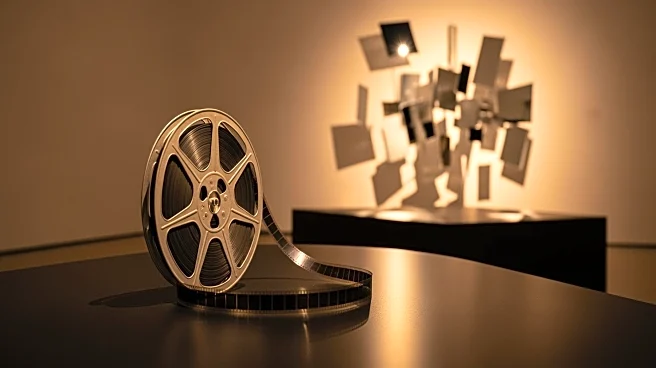
showcasing previously unreleased footage. The installation features six film projectors displaying frames of the lost footage on various screens, creating an immersive experience with light and sound. Iñárritu describes the project as a liberating artistic endeavor, free from the constraints of traditional filmmaking. The installation has previously been exhibited in Milan and Mexico City, and it offers a unique sensory experience that includes sounds from the streets of Mexico City.
Why It's Important?
The installation not only commemorates a significant milestone for 'Amores Perros,' a film that marked a turning point in Mexican cinema, but also highlights the evolving nature of film as an art form. By resurrecting lost footage, Iñárritu provides audiences with a new perspective on the film's narrative and technical achievements. This project underscores the importance of preserving cinematic history and offers a nostalgic reflection on the cultural and social issues depicted in the film. It also reinforces Iñárritu's status as a visionary filmmaker who continues to push the boundaries of storytelling.
What's Next?
The 'Sueño Perro' installation will be open to the public at LACMA from February 26 to July 26. Iñárritu is also working on his upcoming film 'Digger,' starring Tom Cruise, and a project honoring Mexican American artist Judy Baca. These endeavors indicate Iñárritu's ongoing commitment to exploring diverse narratives and cultural themes through his work. The installation's presence in Los Angeles may inspire further discussions on the impact of 'Amores Perros' and its relevance in contemporary cinema.
Beyond the Headlines
The installation's focus on light and memory invites viewers to consider the ephemeral nature of film and its ability to capture and preserve moments in time. Iñárritu's decision to avoid physical artifacts in the exhibit emphasizes the intangible qualities of cinema, such as light and time, as essential components of storytelling. This approach challenges traditional notions of film exhibitions and encourages audiences to engage with the medium in a more abstract and introspective manner.