






What's Happening?
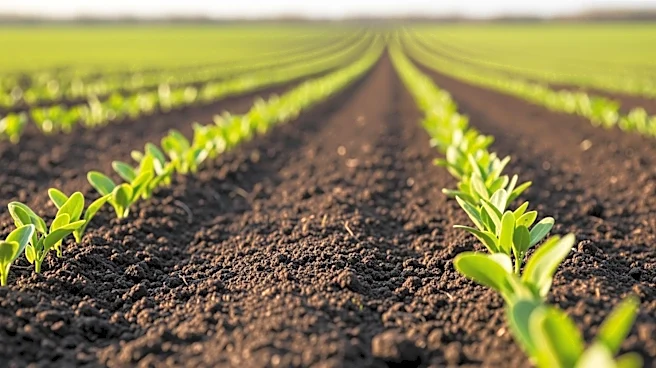
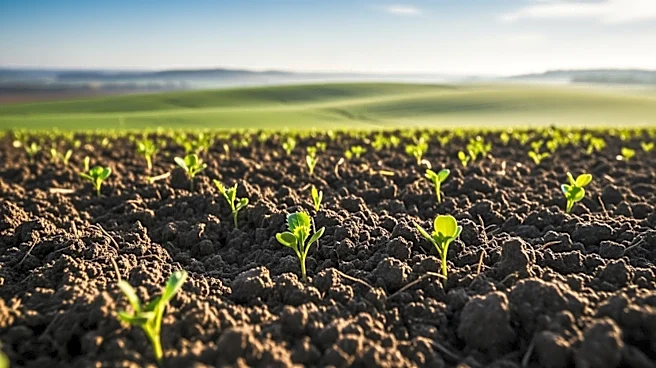
PepsiCo, in collaboration with the Louis Dreyfus Company (LDC), is expanding its regenerative agriculture initiative in Saskatchewan, Canada, a key region for canola production. This program aims to support farmers in adopting practices that improve soil
health, reduce greenhouse gas emissions, and protect local ecosystems. The initiative provides participating farmers with training and technical guidance through the Canadian Prairies Trusted Advisor Partnership (TAP), which connects them with advisors offering science-based recommendations. In 2025, the program supported 16 farmers across nearly 25,000 acres, producing around 26,000 tonnes of canola under regenerative practices. For 2026, the goal is to expand the initiative to approximately 45,000 acres. The program's outcomes will be assessed using the Cool Farm Tool, a framework for monitoring farm-level greenhouse gas emissions and biodiversity impacts.
Why It's Important?
This initiative is significant as it addresses the pressing need for sustainable agricultural practices in the face of climate change. By promoting regenerative agriculture, PepsiCo and LDC aim to enhance the resilience of food and agricultural supply chains. This approach not only supports environmental sustainability but also aims to improve the livelihoods of farmers by fostering more stable and productive farming systems. The collaboration reflects a growing trend among major corporations to invest in sustainable practices that can lead to long-term benefits for both the environment and the agricultural industry. As PepsiCo's supply chain heavily relies on resilient farming systems, this initiative could serve as a model for other companies looking to integrate sustainability into their operations.
What's Next?
The expansion of the initiative to 45,000 acres in 2026 marks a significant step forward in scaling regenerative agriculture practices. As the program grows, it is expected to attract more farmers and stakeholders interested in sustainable farming. The data-driven approach using the Cool Farm Tool will provide valuable insights into the effectiveness of these practices, potentially influencing future agricultural policies and corporate strategies. Continued collaboration between PepsiCo, LDC, and local farmers will be crucial in achieving the program's goals and demonstrating the viability of regenerative agriculture on a larger scale.
Beyond the Headlines
The initiative highlights the ethical and environmental responsibilities of large corporations in addressing climate change. By investing in regenerative agriculture, PepsiCo and LDC are not only contributing to environmental conservation but also setting a precedent for corporate responsibility in sustainability. This move could inspire other companies to adopt similar practices, leading to a broader shift towards sustainable agriculture. Additionally, the program's focus on farmer partnerships underscores the importance of collaboration in achieving meaningful environmental and economic outcomes.