



What's Happening?
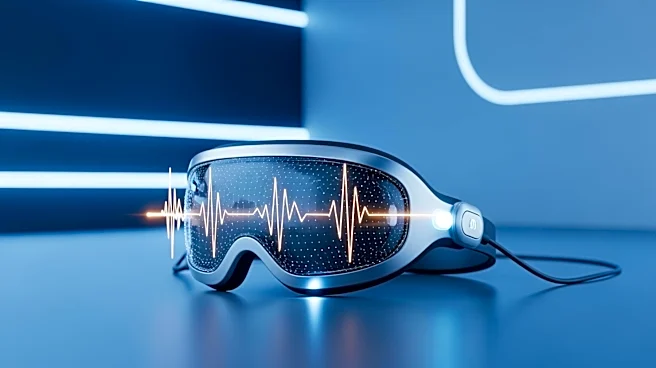
Neurable, a company specializing in non-invasive brain-computer interface (BCI) technology, is looking to license its 'mind-reading' technology to consumer wearables. Unlike invasive methods such as those used by Neuralink, Neurable's technology uses
EEG sensors and AI to analyze brain activity without requiring surgery. The company recently raised $35 million in a Series A funding round to scale its commercialization efforts. Neurable aims to integrate its technology into various consumer products, including health and athletic wearables, productivity tools, and gaming devices. The company has already partnered with brands like HP Inc.'s HyperX to enhance gaming experiences and with iMotions for human behavior research.
Why It's Important?
The move to license BCI technology for consumer wearables could significantly impact multiple industries by providing detailed cognitive performance data. This technology has the potential to revolutionize how consumers interact with devices, offering personalized experiences in health monitoring, productivity, and entertainment. For businesses, integrating BCI technology could lead to new product innovations and competitive advantages. However, the use of brain data raises privacy concerns, necessitating robust data protection measures. Neurable's commitment to anonymizing and protecting user data is crucial in addressing these concerns and gaining consumer trust.
What's Next?
Neurable plans to expand its partnerships across various domains, aiming to make its technology as ubiquitous as heart rate sensors in wearables. The company is focused on scaling its operations and proving the commercial viability of its applications. As the technology becomes more widespread, it will be important to monitor how privacy concerns are managed and how consumer acceptance evolves. The success of Neurable's licensing strategy could pave the way for broader adoption of BCI technology in everyday consumer products.