


What's Happening?
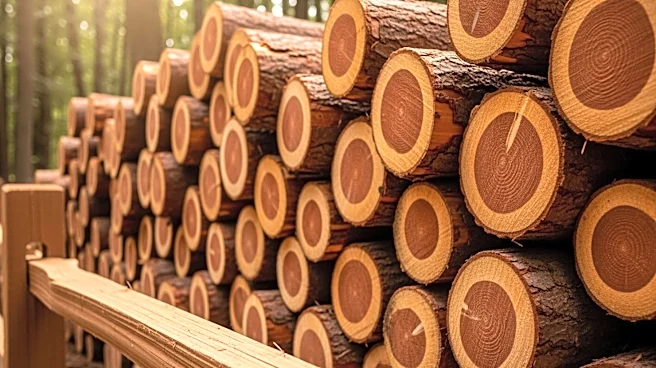
Box Lake Lumber Products, a major manufacturer of cedar split rail fencing in North America, has been awarded a non-replaceable forest licence. This licence allows the company to access approximately 445 truckloads of logs annually for five years. The
wood will be sourced from unlogged areas and salvaged from regions affected by wildfires or pests. The licence is part of a broader initiative by the province to support value-added wood manufacturing companies, ensuring a stable supply of wood for production. The initiative aims to enhance the value-added wood sector in British Columbia, providing economic benefits through increased manufacturing and logging contracts.
Why It's Important?
The awarding of this licence is significant for the value-added wood manufacturing sector in British Columbia. It ensures a consistent supply of raw materials for Box Lake Lumber Products, which is crucial for maintaining production levels and supporting local employment. The initiative reflects a strategic move to utilize unlogged timber and salvage wood, promoting sustainable forestry practices. This development is expected to strengthen the regional economy by boosting manufacturing activities and creating jobs in the logging and transportation sectors. It also highlights the province's commitment to supporting industries that add value to natural resources, contributing to economic resilience.
What's Next?
Box Lake Lumber Products will begin utilizing the licence to secure logs necessary for its operations. The company plans to produce split-rail fencing for various applications, including parks, farms, and home gardens. The province will continue to monitor the impact of this initiative on the value-added wood sector, potentially expanding similar opportunities to other manufacturers. Stakeholders in the forestry and manufacturing industries may respond by exploring additional collaborations or investments to capitalize on the increased availability of raw materials. The success of this initiative could lead to further policy developments aimed at supporting sustainable and value-added manufacturing practices.