





What's Happening?
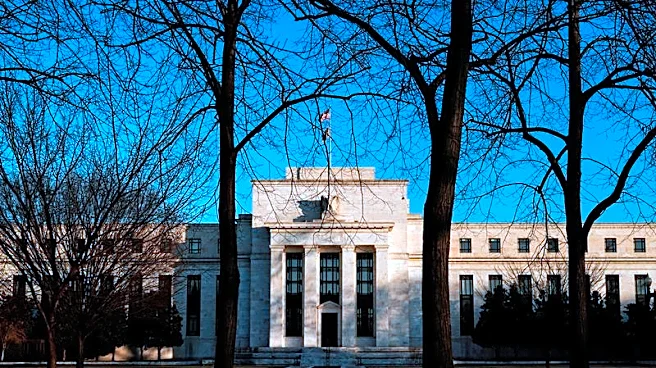
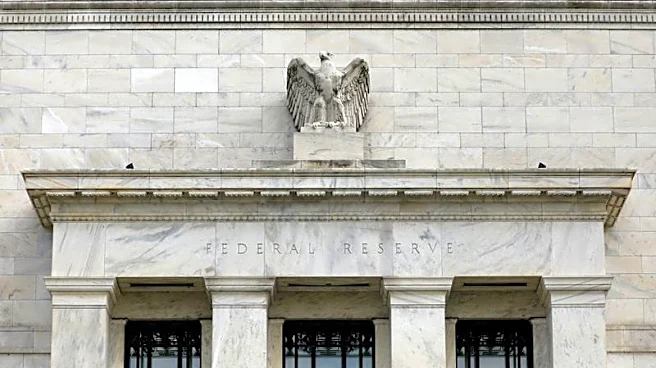
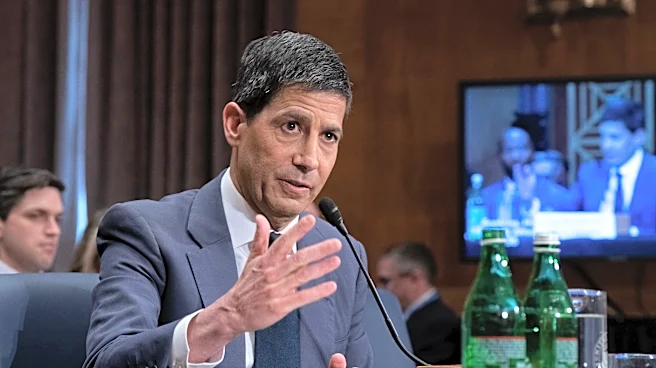
Kevin Warsh, the incoming Federal Reserve Chair, expressed a desire for 'messier' interest-rate-setting meetings to foster better economic decisions. This comes amid growing dissent within the Federal Open Market Committee (FOMC) over the central bank's
policy direction. Three regional Fed presidents dissented against the current policy statement, which suggests a bias toward rate cuts. The core Personal Consumption Expenditures index rose to 3.2% in March, highlighting inflation concerns exacerbated by rising oil prices and tariffs.
Why It's Important?
The dissent within the FOMC reflects differing views on how to address inflation, which remains above the Fed's 2% target. Warsh's approach to fostering open debate could lead to more dynamic policy discussions, potentially impacting future interest rate decisions. The ongoing inflationary pressures, driven by external factors like the Iran war, pose significant challenges for the Fed's monetary policy. Warsh's leadership will be crucial in navigating these complexities and maintaining economic stability.
What's Next?
As Warsh assumes his role, the Fed will likely continue to face internal debates over the appropriate policy response to inflation. The central bank's future decisions will depend on the evolving economic landscape, including the impact of external factors like the Iran conflict. Stakeholders will be watching closely for any shifts in policy direction that could affect interest rates and economic growth. Warsh's ability to manage dissent and foster effective policy discussions will be key to the Fed's success.