



What's Happening?
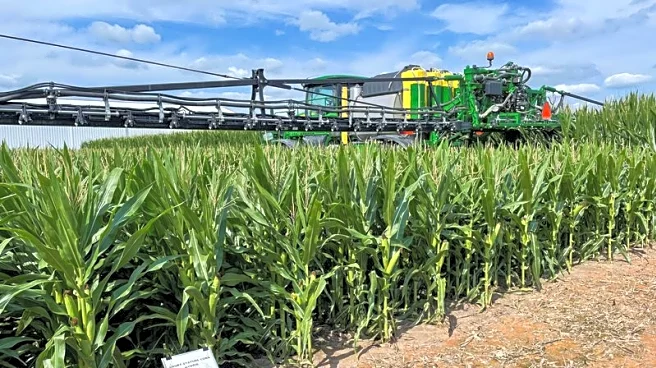
Grand Teton Ancient Grains, a local company in Sugar City, is utilizing regenerative farming techniques to produce nutrient-dense grains such as einkorn, emmer, and spelt. This initiative comes in response to a proposed 107% tariff on imported Italian pasta, which could significantly impact the availability and cost of popular pasta brands in the U.S. The company, along with Intermountain Pasta in Salt Lake City, aims to provide a domestic alternative by manufacturing pasta using these ancient grains. The regenerative farming method focuses on improving soil health and capturing carbon, aligning with a $700 million pilot program launched by the U.S. Department of Agriculture under the Trump Administration.
Why It's Important?
The proposed tariff on Italian pasta
highlights the ongoing trade tensions and the need for domestic solutions to potential supply chain disruptions. By adopting regenerative farming, Grand Teton Ancient Grains not only addresses these challenges but also contributes to environmental sustainability and soil health. This approach could set a precedent for other agricultural businesses, promoting a shift towards more sustainable farming practices. Additionally, the initiative supports local economies by creating jobs and providing consumers with healthier food options.
What's Next?
As the proposed tariff looms, Grand Teton Ancient Grains is likely to expand its operations to meet increasing demand for domestic pasta alternatives. The company plans to relocate its mill and expand its facilities, potentially offering products for purchase on-site. The success of this initiative could encourage other farmers to adopt regenerative practices, furthering the impact on the agricultural sector and environmental sustainability.