



What's Happening?
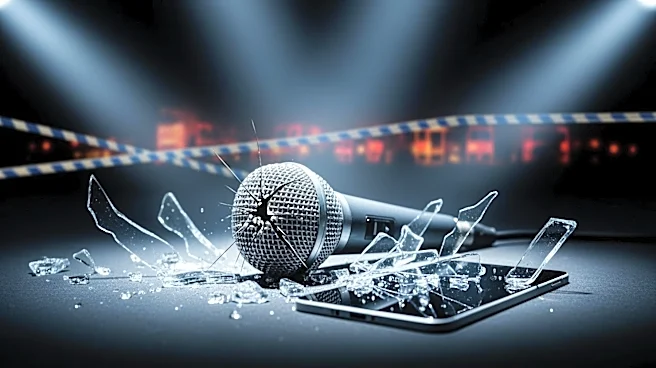
A recent discussion among music critics and fans has highlighted the phenomenon of extremely loud concerts, which have left lasting impressions on attendees. The conversation was sparked by an old column suggesting that certain bands, like Janis Joplin's
group, were loud enough to cause hearing damage. Readers and critics shared their experiences of concerts that were not only memorable for their music but also for their overwhelming volume. Notable mentions include My Bloody Valentine's 2008 comeback gig, where earplugs were distributed due to the extraordinary volume, and Sunn O)))'s performances, which some found too loud to endure. The discussion also touched on the evolution of concert sound systems and the importance of ear protection, as some attendees have suffered long-term hearing issues from these experiences.
Why It's Important?
The discussion underscores the ongoing issue of hearing damage caused by loud concerts, a concern that has persisted despite advancements in sound technology. This highlights the need for better awareness and protective measures for concert-goers. The music industry faces a challenge in balancing the desire for impactful live performances with the responsibility of ensuring audience safety. The stories shared by critics and fans serve as a reminder of the potential health risks associated with high-decibel environments, emphasizing the importance of ear protection. This issue is significant for both the music industry and public health, as it affects concert-goers' long-term hearing health and the industry's reputation for safety.
What's Next?
As awareness of the risks associated with loud concerts grows, it is likely that more venues and artists will take steps to mitigate these risks. This could include providing earplugs at events, implementing stricter sound level regulations, and investing in advanced sound technology that delivers quality without excessive volume. The music industry may also see increased advocacy for hearing health, with campaigns aimed at educating both artists and audiences about the importance of protecting their hearing. These developments could lead to a cultural shift in how live music is experienced, prioritizing both enjoyment and safety.
Beyond the Headlines
The conversation about loud concerts also touches on broader cultural and ethical considerations. It raises questions about the responsibility of artists and venues to protect their audiences, as well as the role of personal choice in attending such events. Additionally, it highlights the cultural value placed on live music experiences and the lengths to which fans will go to be part of these moments, even at the risk of their health. This discussion may prompt a reevaluation of what constitutes a 'good' concert experience, potentially leading to more innovative approaches to live music that prioritize both impact and safety.