


What's Happening?
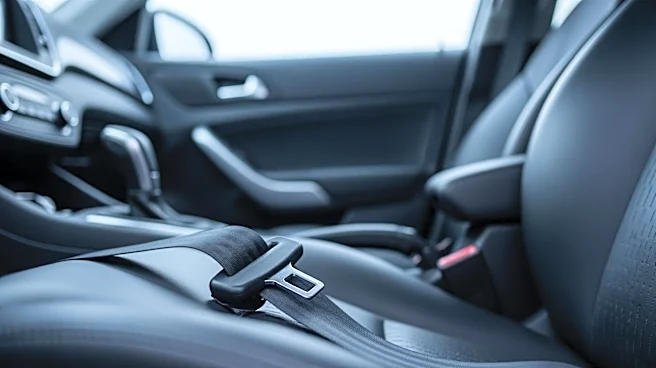
Ford Motor Company is recalling approximately 420,000 vehicles due to a seat belt issue that could lead to injury in the event of a crash. The National Highway Traffic Safety Administration (NHTSA) reported that the recall affects certain Ford Expedition
and Lincoln Navigator models from 2018 to 2022. The problem involves seat belts that may lock inadvertently, preventing them from retracting or extending properly. This recall expands on two previous recalls by the NHTSA. Ford has acknowledged two warranty claims and two field reports related to this issue, along with one reported injury. Vehicle owners will receive notifications by mail and can have their seat belt retractors inspected and replaced at Ford or Lincoln dealerships free of charge. Additionally, Ford has issued a do-not-drive warning for thousands of Bronco Sport and Maverick vehicles due to suspension system issues. The NHTSA noted that the front lower control arm ball joints may have been improperly installed or repaired, potentially leading to a loss of control and increased crash risk. This affects Bronco Sport models from 2021 to 2026 and Maverick models from 2022 to 2026.
Why It's Important?
The recall and do-not-drive warning issued by Ford highlight significant safety concerns that could impact consumer trust and the company's reputation. The seat belt issue poses a direct risk to passenger safety, potentially leading to injuries during accidents. The suspension system problem in Bronco Sport and Maverick models further exacerbates safety risks, as it could result in loss of vehicle control. These recalls may lead to financial implications for Ford, including costs associated with repairs and potential legal liabilities. Moreover, the recalls could affect Ford's market position, as consumers may opt for competitors' vehicles perceived as safer. The NHTSA's involvement underscores the importance of regulatory oversight in ensuring vehicle safety standards are met, protecting consumers from potential harm.
What's Next?
Ford will continue to notify affected vehicle owners and facilitate inspections and repairs at no cost. The company may face increased scrutiny from regulatory bodies and consumer advocacy groups, prompting further investigations into manufacturing practices. Ford's response to these recalls will be crucial in maintaining consumer confidence and mitigating potential damage to its brand image. The automotive industry may see heightened attention to safety protocols and quality control measures, as manufacturers aim to prevent similar issues. Stakeholders, including investors and industry analysts, will likely monitor Ford's handling of the situation and its impact on the company's financial performance and market share.