




What's Happening?
A shift in luxury real estate preferences is emerging as affluent buyers increasingly prioritize expansive land ownership over urban properties. This trend is exemplified by Graystones Preserve, a 3,798-acre private enclave in Albrightsville, PA, located
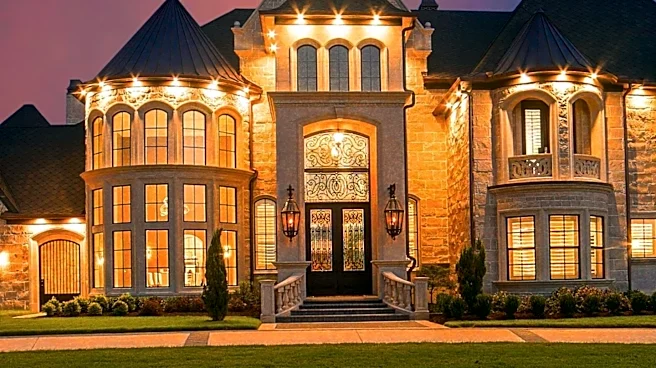
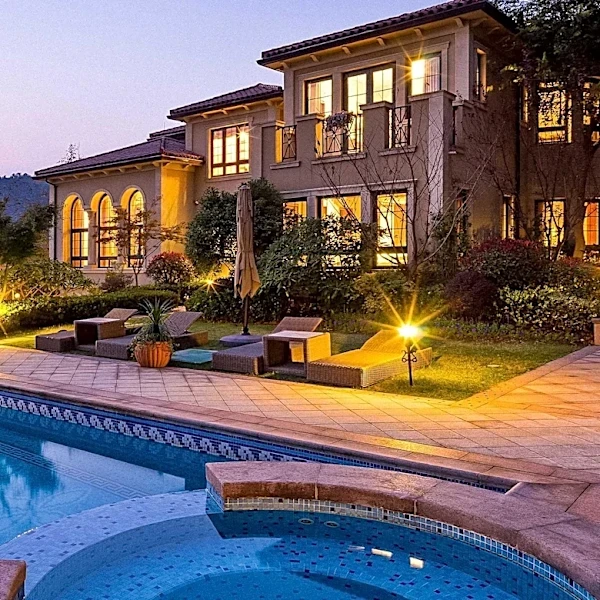
within a few hours of New York City and Philadelphia. The development offers a unique blend of accessibility and seclusion, with 73 homesites integrated into a landscape where over 2,500 acres are permanently conserved. The preserve is surrounded by 62,000 acres of state parkland, enhancing its appeal as a secluded retreat. Homesites range from $595,000 to $925,000, and about one-third have already been sold. The development includes luxury amenities such as a private trout stream, lodge, gun club, organic gardens, and various recreational facilities. The ownership model is collective, with residents owning the common grounds, reinforcing a sense of stewardship over the land.
Why It's Important?
The rise of developments like Graystones Preserve reflects a broader evolution in luxury real estate, where value is increasingly measured by access to nature and long-term stewardship rather than just interior features or location. This trend indicates a growing demand for properties that offer both privacy and a connection to the natural environment, appealing to buyers seeking a lifestyle that disconnects from urban life. The collective ownership model also suggests a shift towards community-driven stewardship, which could influence future real estate developments. As land near major cities becomes scarce, such projects may become more attractive to those looking for legacy investments that prioritize conservation and sustainability.
What's Next?
As the demand for such luxury developments grows, it is likely that more projects similar to Graystones Preserve will emerge, particularly in areas close to major metropolitan centers. This could lead to increased competition among developers to offer unique amenities and conservation-focused ownership models. Additionally, the success of Graystones may encourage other developers to adopt similar low-density, conservation-oriented approaches, potentially reshaping the luxury real estate market. Stakeholders, including environmental groups and local governments, may also play a role in supporting or regulating these developments to ensure they align with broader conservation goals.
Beyond the Headlines
The development of Graystones Preserve highlights a cultural shift towards valuing nature and sustainability in luxury living. This trend may influence not only real estate but also broader societal attitudes towards environmental conservation and land use. The emphasis on stewardship and legacy investment could inspire similar approaches in other industries, promoting a more sustainable and community-focused mindset. Additionally, the success of such projects could lead to increased awareness and appreciation of natural landscapes, potentially driving policy changes that support conservation efforts.