




What's Happening?
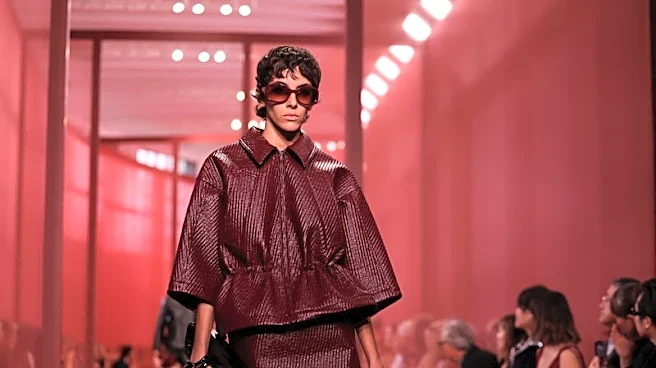
Dubai, traditionally seen as a resilient market for luxury goods, is experiencing a significant downturn. Major luxury brands such as LVMH, Kering, and Hermès have reported a 30-50% drop in sales at the Mall of the Emirates, with foot traffic at the Dubai Mall also
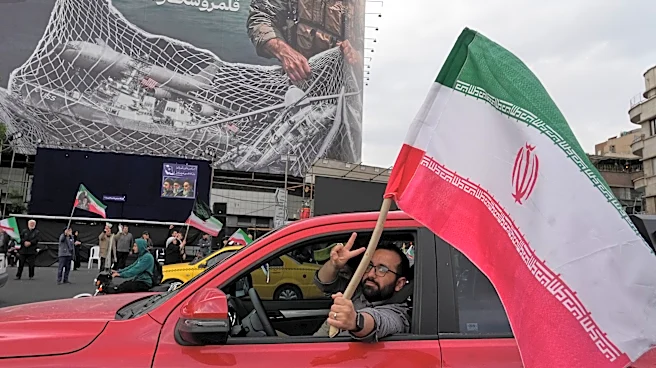
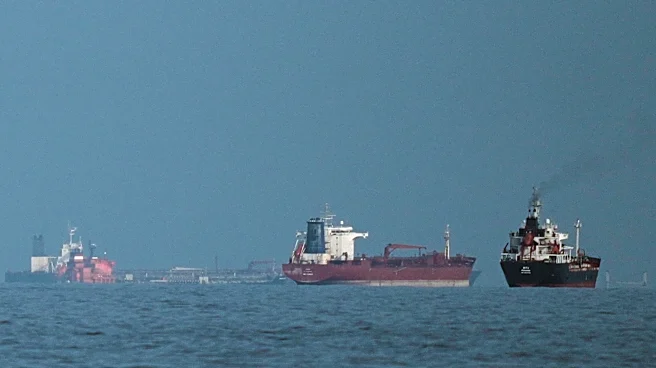
decreasing by 50%. This decline is attributed to geopolitical tensions involving Iran, Israel, and the US, which have disrupted the United Arab Emirates' image as a 'secure bubble'. The Middle East, while only accounting for 5% of global luxury consumption, has been crucial for marginal growth, especially as China struggles to recover.
Why It's Important?
The downturn in Dubai's luxury market could have broader implications for the global luxury industry, which has relied on the Middle East as a growth engine amid slowdowns in other regions. The instability in the Middle East may also affect the US economy indirectly, as rising energy prices and travel costs could dampen consumer spending. The luxury sector's reliance on the Middle East as a 'plan B' is now in question, potentially leading to a reevaluation of market strategies by major luxury brands.
What's Next?
Luxury brands may need to diversify their market strategies to mitigate the impact of regional instability. This could involve exploring new markets or enhancing their presence in existing ones outside the Middle East. Additionally, the geopolitical situation in the region will likely continue to influence market dynamics, necessitating close monitoring by industry stakeholders.