






What's Happening?
The Commerce Department has reported a significant increase in U.S. retail sales for March, driven by a record spike in gas prices. Retail sales rose by 1.7%, marking the fastest monthly pace in over three years. This increase follows a 0.7% gain in February.
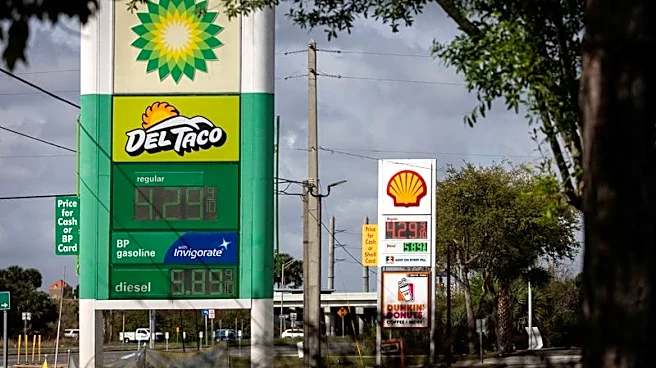
The surge in gas prices is attributed to the ongoing war with Iran and the closure of the Strait of Hormuz, a vital channel for oil transport. Gas station sales saw a dramatic 15.5% increase from the previous month. Despite the high gas prices, consumer spending remained strong in areas such as furniture and electronics, supported by tax refunds and pay gains.
Why It's Important?
The rise in retail sales highlights the impact of geopolitical events on the U.S. economy, particularly the war with Iran affecting oil prices. While consumers are currently managing the increased costs through savings and tax refunds, the sustainability of this spending is uncertain. Lower-income households are particularly vulnerable, as higher gas prices consume a larger portion of their budgets, potentially reducing discretionary spending. The situation underscores the delicate balance between consumer resilience and economic pressures, with potential long-term effects if the conflict persists.
What's Next?
The future of retail sales and consumer spending largely depends on the duration of the war with Iran. If the conflict continues, consumers may face increased financial strain, leading to reduced spending in non-essential areas. Economists are closely monitoring the situation, as prolonged high gas prices could deplete savings and tax refunds, impacting overall economic health. The resolution of the conflict could stabilize oil prices, alleviating pressure on consumers and potentially boosting economic activity.