



What's Happening?
Zero Energy Homes, a developer specializing in 'net zero' homes, is expanding its operations in southern Maine by setting up a new modular manufacturing facility. The company, which focuses on creating affordable, energy-efficient homes, has leased an 18,000-square-foot
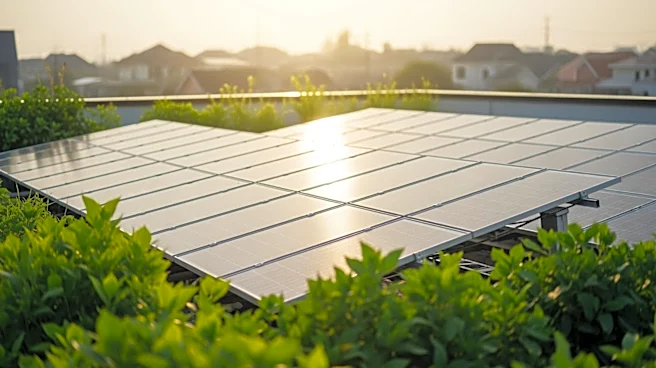
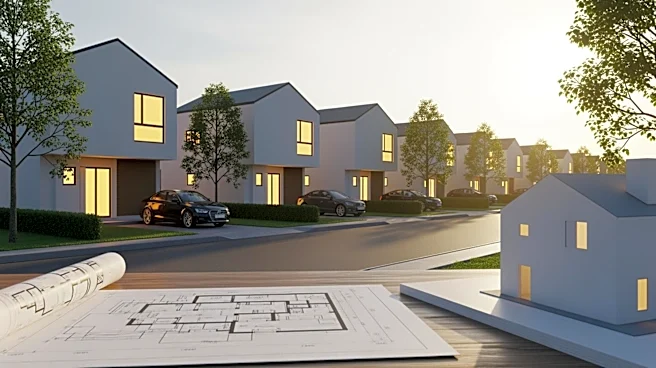
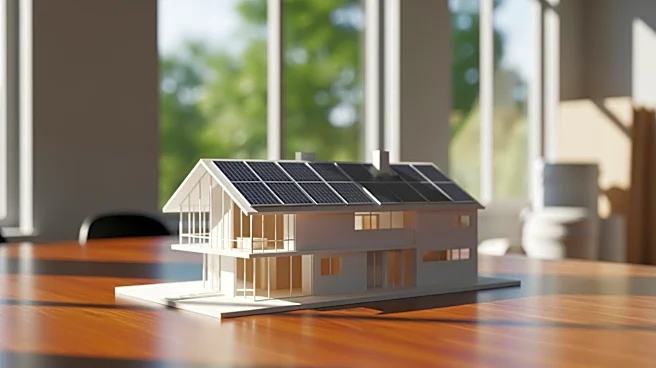
facility in Wiscasset to facilitate year-round construction. This expansion aims to address the housing shortage in Maine by providing competitively priced homes that operate on clean energy. The homes are built using modular and panelized construction techniques, which allow for quick assembly and greater efficiency. The company offers homes with various energy-efficient features, including solar panels, heat pumps, and triple-glazed windows. The pricing model is tiered based on income, with significant discounts available for lower-income buyers.
Why It's Important?
The expansion of Zero Energy Homes is significant as it addresses the critical need for affordable housing in Maine, a state facing a housing shortage. By utilizing modular and panelized construction, the company can offer homes that are not only affordable but also energy-efficient, aligning with broader environmental goals. This initiative supports local economies by using at least 80% Maine and regional building materials and hiring local contractors for construction. The project also represents a shift towards sustainable living, reducing reliance on fossil fuels and promoting renewable energy sources. The establishment of a manufacturing facility is expected to create jobs and stimulate economic growth in the region.
What's Next?
Zero Energy Homes plans to begin modular manufacturing later in 2026, with the goal of producing 50 to 60 homes per year. The company is actively seeking equity investments and loans to finance the manufacturing facility, which is expected to employ 40 to 50 workers. As the facility becomes operational, the company will continue to work with customers to build homes through 2026 and 2027. The success of this expansion could serve as a model for other regions facing similar housing and energy challenges, potentially leading to further growth and replication of this sustainable housing approach.