



What's Happening?
Formula 1 is considering not replacing the Bahrain and Saudi Arabian Grands Prix if they are canceled due to the ongoing conflict in the Middle East. The races, scheduled for April 10-12 in Bahrain and April 17-19 in Saudi Arabia, are in doubt as both
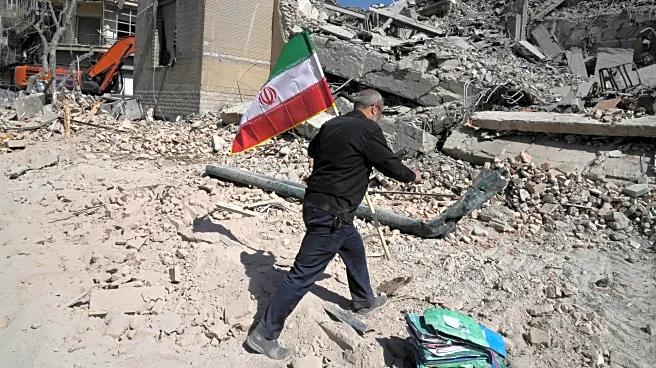
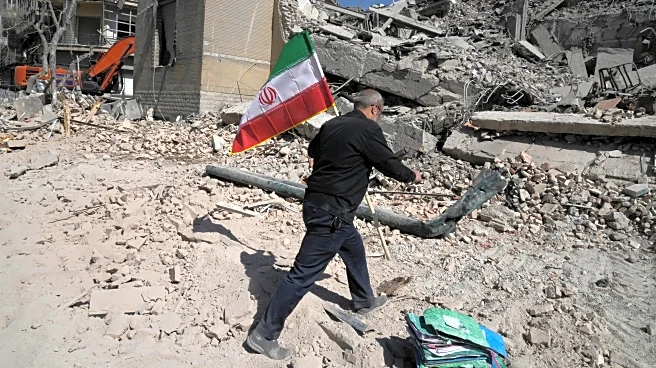
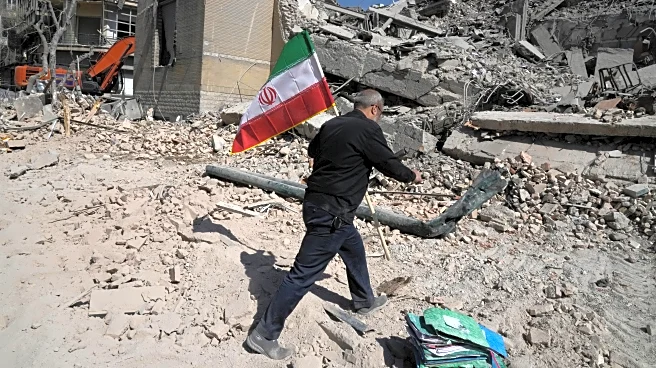
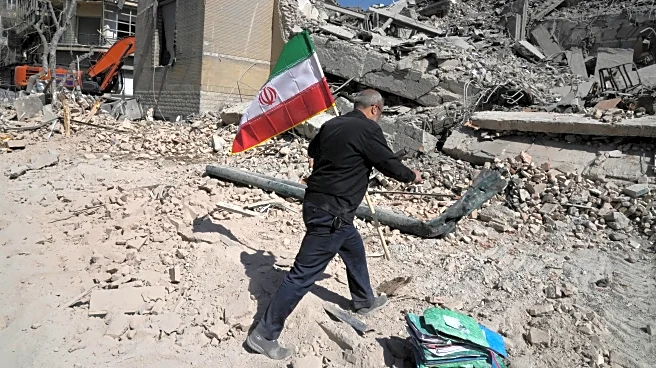
countries have been affected by regional tensions following US-Israeli air strikes and subsequent Iranian retaliation. A decision on the races' status is expected by March 20. If canceled, the F1 calendar would reduce from 24 to 22 rounds, creating a five-week gap between the Japanese Grand Prix on March 27-29 and the Miami Grand Prix on May 1-3. Potential replacements like Portugal's Portimato and Italy's Imola circuits have been considered, but logistical constraints make organizing these events in time unlikely.
Why It's Important?
The potential cancellation of these races highlights the impact of geopolitical tensions on international sporting events. For Formula 1, this could mean a significant reshuffling of the season's schedule, affecting teams, sponsors, and fans. The reduction in the number of races could lead to financial implications for the sport, as fewer events may result in decreased revenue from broadcasting rights and sponsorships. Additionally, the situation underscores the challenges of hosting global events in politically unstable regions, prompting discussions on the safety and logistical considerations for teams and personnel.
What's Next?
Formula 1 President Stefano Domenicali plans to meet with team bosses in Melbourne to discuss the situation and potential next steps. The focus will be on ensuring the safety of all stakeholders involved. The decision-making process will consider the evolving geopolitical landscape and prioritize the health and safety of everyone involved in the sport. The outcome of these discussions will likely influence future decisions on hosting races in politically sensitive regions.