
What's Happening?
iRobot, the Massachusetts-based company known for its Roomba robot vacuums, has filed for Chapter 11 bankruptcy protection. This decision comes after years of financial struggles due to increasing competition
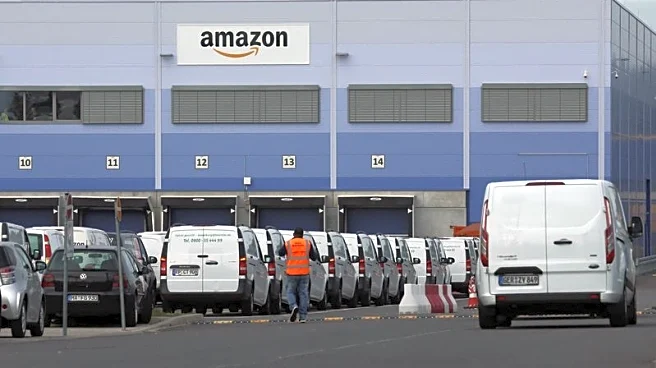
from Chinese manufacturers and significant tariff impacts. Founded in 1990, iRobot was a pioneer in household robotics, launching its first Roomba in 2002. Despite efforts to reinvent its product line and reduce prices, the company has seen a decline in revenue. An attempted acquisition by Amazon in 2022, which could have potentially reversed its fortunes, was halted due to regulatory scrutiny. iRobot will now be acquired by its contract manufacturer, Picea Robotics, a Chinese-based company. The company assures that there will be no disruption to its app functionality, customer programs, or product support.
Why It's Important?
The bankruptcy filing of iRobot highlights the intense competition in the robotics industry, particularly from Chinese manufacturers like Ecovacs and Roborock, which have eroded iRobot's market share. The situation underscores the challenges faced by U.S. companies in maintaining competitiveness in the global market, especially when dealing with tariffs and regulatory hurdles. The acquisition by Picea Robotics could stabilize iRobot's financial position, but it also raises questions about the future of U.S. innovation in the robotics sector. This development could impact stakeholders, including employees, consumers, and partners, as the company navigates its restructuring process.
What's Next?
iRobot's acquisition by Picea Robotics is expected to proceed without disrupting current operations. However, the long-term implications for the company's strategic direction and market presence remain uncertain. Stakeholders will be closely monitoring how the acquisition affects iRobot's product development and market strategy. Additionally, regulatory bodies may continue to scrutinize such acquisitions, especially involving foreign entities, to ensure compliance with U.S. trade and competition laws.