
What's Happening?
The agricultural robots market is experiencing significant growth, driven by advancements in automation and intelligence technologies. According to a report, the integration of AI-powered vision systems, IoT-enabled sensors, and machine learning algorithms
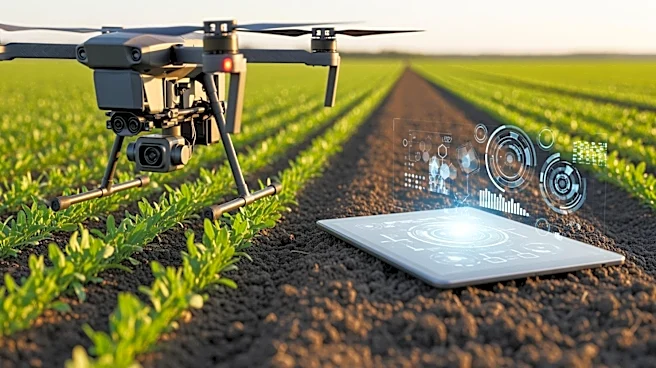
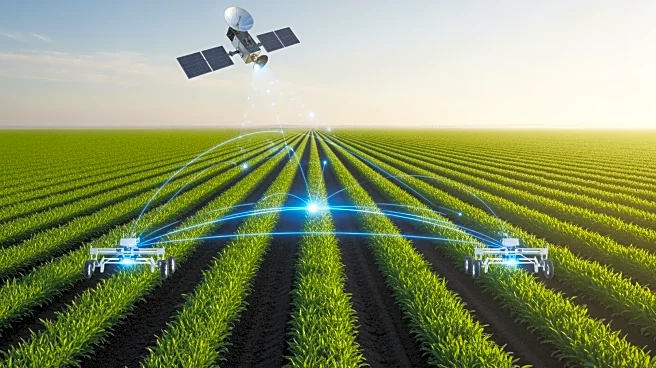
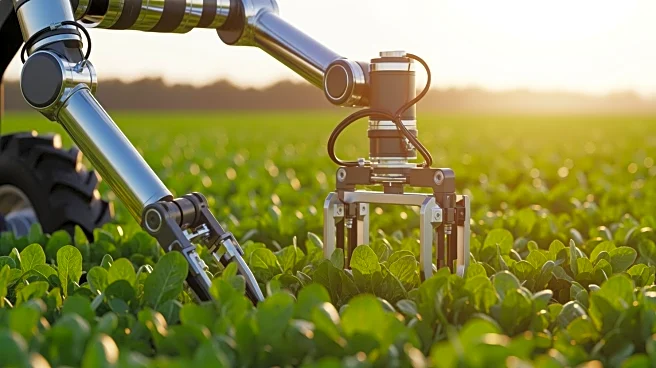
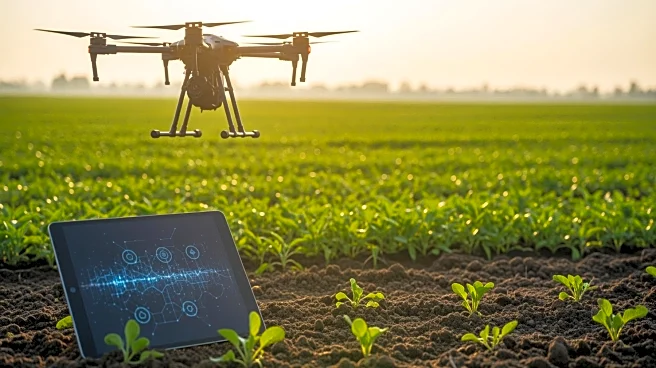
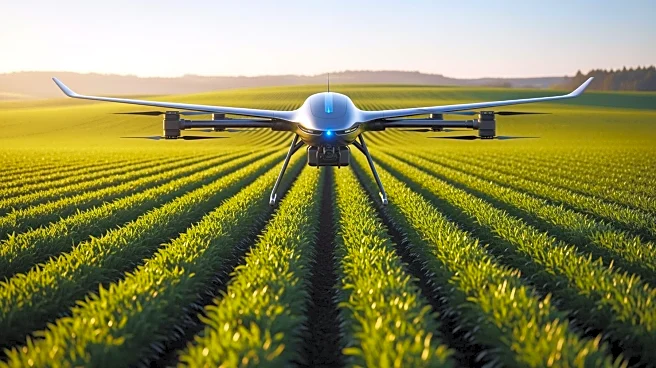
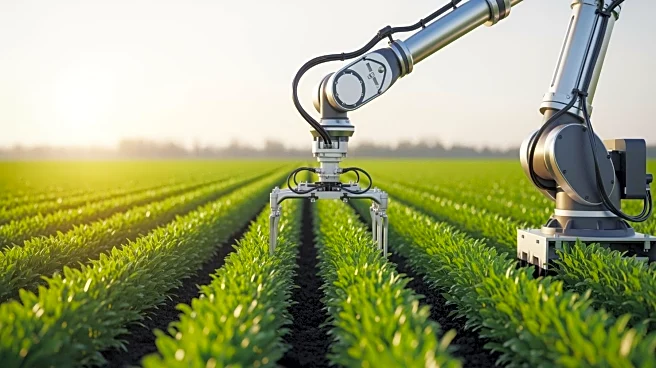
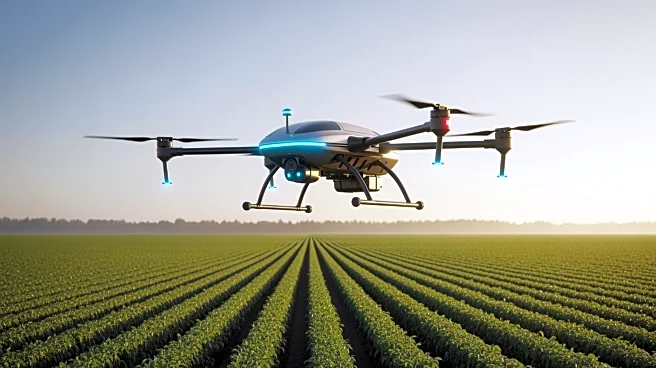
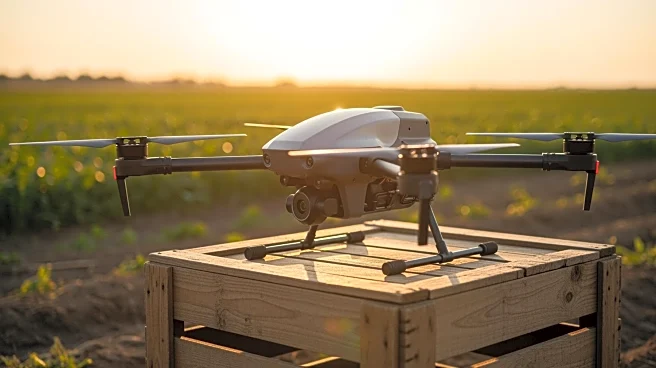
is transforming agriculture into a data-driven industry. These technologies enable real-time decision-making, improving productivity and reducing waste. The farm produce segment is leading the adoption of agricultural robots, which are widely used for precision planting, automated harvesting, and post-harvest handling. Outdoor farming environments dominate the market due to the use of autonomous tractors, robotic harvesters, and agricultural drones. These robots are essential for modern precision agriculture, performing tasks such as field mapping and monitoring.
Why It's Important?
The expansion of the agricultural robots market is crucial for enhancing farming efficiency and sustainability. As global food demand rises and labor shortages persist, automation in agriculture becomes increasingly important. The use of robots in farming reduces operational costs, improves yield consistency, and enhances overall farm management. This technological shift supports sustainable and climate-smart agriculture, addressing environmental concerns by optimizing water and fertilizer usage. The adoption of agricultural robots is particularly significant in regions like Asia Pacific, where rapid technological adoption and government initiatives promote smart farming. The market's growth is poised to redefine the future of farming, ensuring efficient and resilient food production systems.
What's Next?
The agricultural robots market is expected to continue its rapid expansion as technology evolves and farming challenges intensify. Emerging opportunities include the integration of robotics with precision agriculture platforms and the development of fully autonomous farming systems. The market is also likely to expand into small and medium-sized farms, increasing the use of drones and AI-based analytics. As companies focus on innovation and partnerships, the demand for automation in agriculture will grow, driving further advancements in the industry. This evolution will play a critical role in meeting global food demands and addressing labor shortages in the agricultural sector.