





What's Happening?
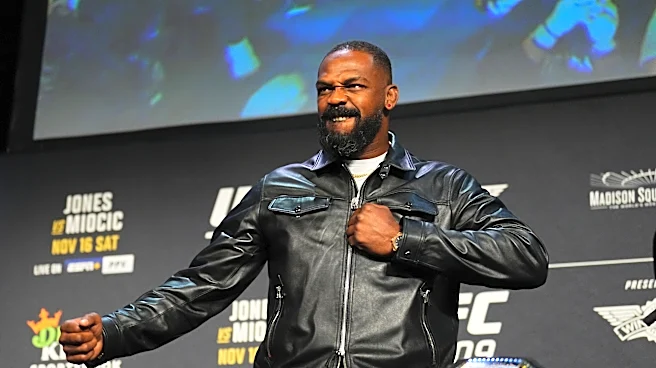
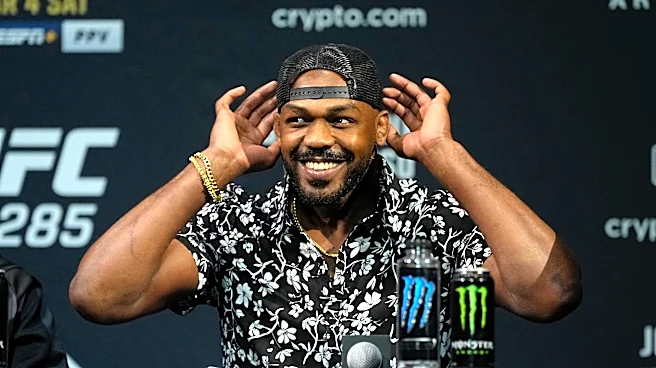
Jon Jones, a prominent figure in the UFC, has recently spoken about how fame has amplified his personal issues outside the cage. Known for his impressive career with 11 light heavyweight title defenses and a brief reign as heavyweight champion, Jones's
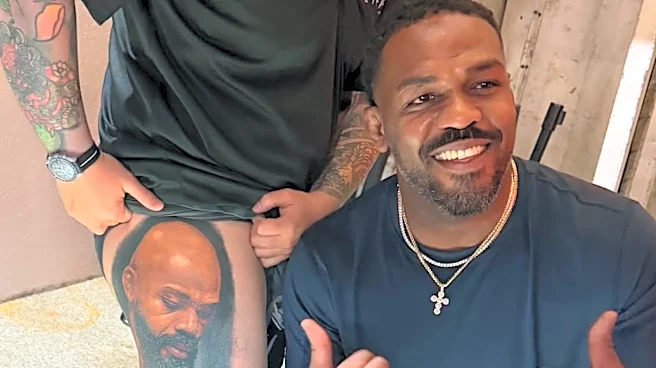
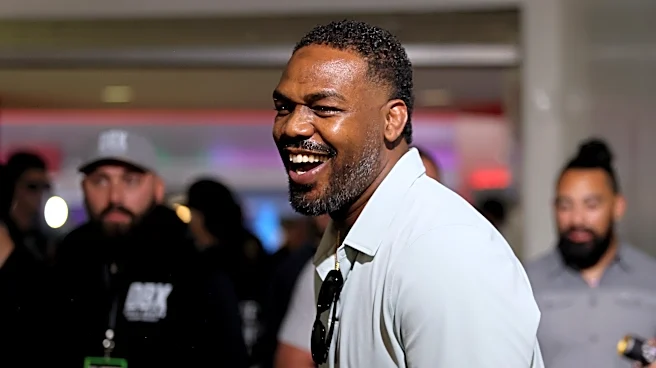
legacy is also marked by controversies. These include losing titles due to conduct violations and failed drug tests, as well as legal troubles such as a 2015 hit-and-run incident and multiple arrests for driving offenses. Despite these issues, Jones maintains that he is a better person than his public image suggests. He expressed this sentiment during a recent interview at a Dirty Boxing event in Miami, where he humorously addressed the perception of him being a 'scary guy.'
Why It's Important?
The discussion around Jon Jones highlights the broader issue of how public figures are perceived and judged. His case underscores the challenges athletes face in maintaining a positive public image amidst personal and legal troubles. For the UFC and its stakeholders, Jones's controversies present a dilemma between celebrating his athletic achievements and managing the reputational risks associated with his off-cage behavior. This situation also reflects on the sports industry's responsibility in supporting athletes' personal development and addressing behavioral issues, which can impact sponsorships, fan engagement, and the overall brand image of the sport.
What's Next?
As Jon Jones continues to navigate his career, the UFC and its leadership may need to consider strategies for managing athletes' public images and providing support systems to prevent future incidents. This could involve implementing more comprehensive conduct policies and offering resources for personal development. Additionally, Jones's future in the UFC could be influenced by his ability to stay out of legal trouble and maintain a focus on his professional achievements. The response from fans and sponsors will also play a crucial role in shaping his career trajectory.
Beyond the Headlines
Jones's situation raises questions about the ethical responsibilities of sports organizations in handling athletes with troubled pasts. It also highlights the cultural fascination with celebrity downfalls and the media's role in shaping public perception. Long-term, this could lead to a shift in how sports organizations balance celebrating athletic prowess with addressing personal conduct, potentially influencing policies across the industry.