



What's Happening?
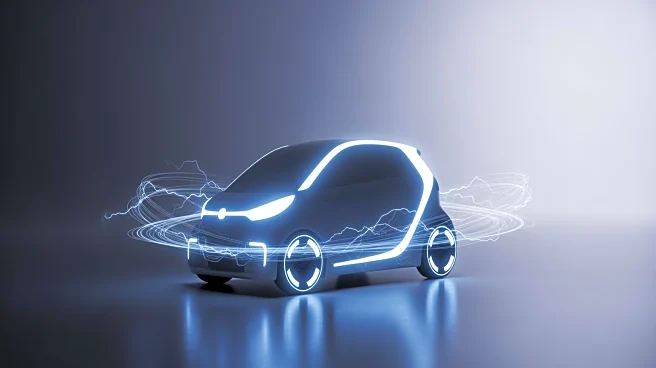
KG Motors, the manufacturer of the MiBot, Japan's smallest electric vehicle (EV), has entered into a significant collaboration with Idemitsu Kosan, one of Japan's largest energy companies. This partnership aims to support the MiBot's integration into the market by leveraging Idemitsu's extensive service-station network. The MiBot, priced at approximately $7,000, is designed for short urban commutes with a range of about 100 kilometers and a top speed of 60 km/h. The collaboration includes sales support, delivery handling, registration assistance, insurance services, and after-sales maintenance. Idemitsu plans to convert parts of its apollostation network into electrified energy hubs, which will include EV charging equipment and renewable energy sources.
This initiative is part of Idemitsu's 'Smart Yorozuya' strategy, aiming to diversify its service offerings.
Why It's Important?
This collaboration marks a significant step in Japan's transition towards electrified transportation. By aligning with Idemitsu, KG Motors gains access to a robust infrastructure that supports the MiBot's market entry and potential expansion. The partnership reflects a broader trend of traditional energy companies adapting to the growing demand for sustainable transport solutions. For Idemitsu, this move represents a strategic shift as it diversifies its business model in response to declining demand for internal combustion engines. The MiBot's affordable price and compact design challenge the conventional EV market, which has typically focused on larger, more expensive vehicles. This could potentially democratize access to electric mobility in Japan, encouraging wider adoption and contributing to the country's decarbonization goals.
What's Next?
KG Motors plans to ramp up production of the MiBot starting in April 2026, initially targeting 300 to 500 units per month, with plans to increase to 800 to 900 units monthly. This production increase will test the company's ability to maintain quality at higher volumes. The collaboration with Idemitsu will also see the rollout of the MiBot at select apollostation service stations in Tokyo and Hiroshima, starting as a pilot program. If successful, this model could be expanded to other regions, potentially influencing global markets. The partnership serves as a test case for how legacy oil companies can remain relevant in an electrified future, potentially setting a precedent for similar collaborations worldwide.
Beyond the Headlines
The MiBot's development and market entry highlight the importance of regulatory compliance and performance validation in Japan's manufacturing culture. The vehicle's design and production process reflect a careful balance between innovation and adherence to safety and durability standards. This approach underscores the potential for micro-EVs to play a significant role in urban mobility solutions, particularly in densely populated areas. The collaboration between KG Motors and Idemitsu also illustrates the evolving relationship between automotive startups and established energy companies, as both sectors navigate the challenges and opportunities of the energy transition.