







What's Happening?
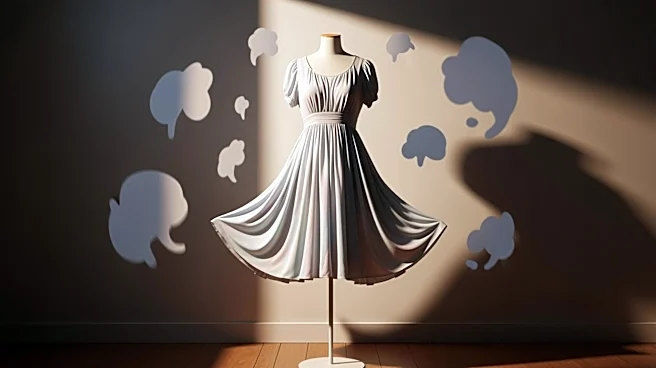
Olivia Rodrigo has addressed the criticism she received for wearing a babydoll dress, arguing that the backlash highlights how society normalizes pedophilia. The pop singer wore the dress in her 'Drop Dead' music video and at a Spotify concert, which
led to online criticism that the outfit infantilized and sexualized her. Rodrigo expressed her frustration, noting that while she has worn more revealing outfits on stage without issue, the fully covered babydoll dress was deemed inappropriate. She emphasized that the criticism reflects a broader cultural problem where women are blamed for how their bodies are perceived by others. Rodrigo stated that her choice of attire was inspired by '90s rock icons like Kathleen Hanna and Courtney Love, and she did not intend for it to be sexualized.
Why It's Important?
Rodrigo's comments bring attention to the ongoing cultural debate about how women's clothing choices are perceived and judged. Her stance challenges the notion that women are responsible for how their attire is interpreted by others, a perspective that can perpetuate harmful stereotypes and victim-blaming. By speaking out, Rodrigo is using her platform to advocate for a shift in societal attitudes towards women's fashion and autonomy. This discussion is significant as it resonates with broader movements advocating for women's rights and gender equality, potentially influencing public discourse and encouraging more inclusive and respectful attitudes towards women's self-expression.
What's Next?
Rodrigo's remarks may spark further conversations about the cultural norms surrounding women's fashion and the expectations placed on female public figures. As she prepares to release her third album, 'You Seem Pretty Sad for a Girl So in Love,' and embark on a tour, her influence and visibility could amplify these discussions. Fans and critics alike may continue to engage with the themes she raises, potentially leading to more artists and public figures addressing similar issues. The entertainment industry might also see increased scrutiny regarding how it portrays and responds to women's fashion choices.