


What's Happening?
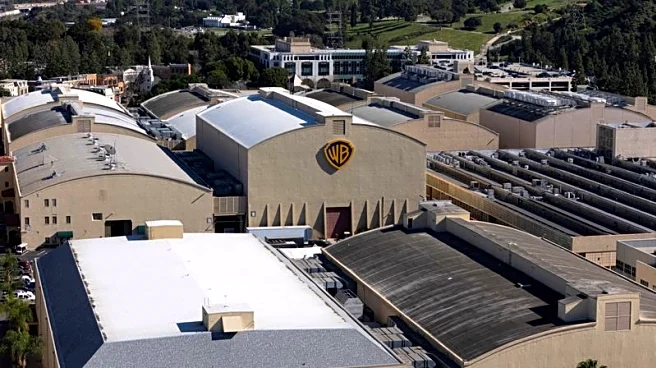
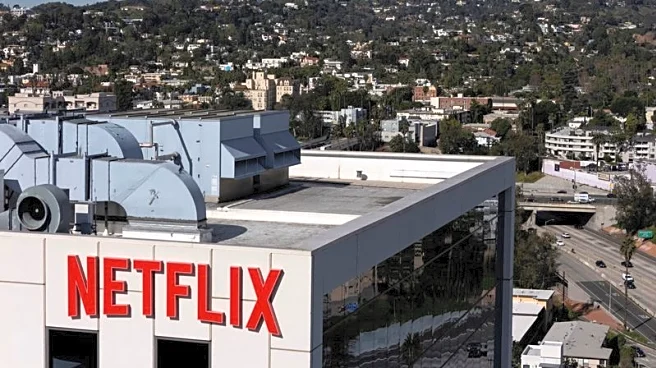
Mark Ruffalo has publicly responded to James Cameron's criticism of Netflix's proposed acquisition of Warner Bros. Discovery, a deal valued at $83 billion. Cameron expressed concerns in a letter to Senator Mike Lee, suggesting that the acquisition could be detrimental to the theatrical motion picture industry, potentially leading to theater closures and job losses. Ruffalo, in a social media post, questioned whether Cameron's opposition extends to a potential Paramount acquisition, highlighting the broader issue of monopolization in the film industry. The acquisition deal includes a seven-day window for Paramount Skydance to make a superior offer, which ends on February 24. Netflix co-CEO Ted Sarandos has assured that the current theatrical release
strategy for Warner Bros. films will remain largely unchanged.
Why It's Important?
The acquisition of Warner Bros. Discovery by Netflix could significantly alter the landscape of the film industry, particularly affecting the theatrical release model. Cameron's concerns reflect fears that such a consolidation could reduce the number of films produced and lead to job losses in the industry. Ruffalo's response underscores the broader debate about monopolization and its impact on competition and diversity in film production. The outcome of this acquisition could set a precedent for future mergers and acquisitions in the entertainment sector, influencing how content is distributed and consumed. Stakeholders in the film industry, including filmmakers and theater owners, are closely watching the developments, as the deal could reshape industry dynamics.
What's Next?
The next steps involve a potential counteroffer from Paramount Skydance, which has until February 24 to present a superior bid. Following this, Warner Bros. Discovery shareholders are scheduled to vote on the Netflix acquisition on March 20. The decision will likely prompt reactions from various industry stakeholders, including regulatory bodies that may scrutinize the deal for antitrust concerns. The outcome could influence future regulatory approaches to media mergers and acquisitions, potentially affecting how similar deals are evaluated and approved.