

What's Happening?
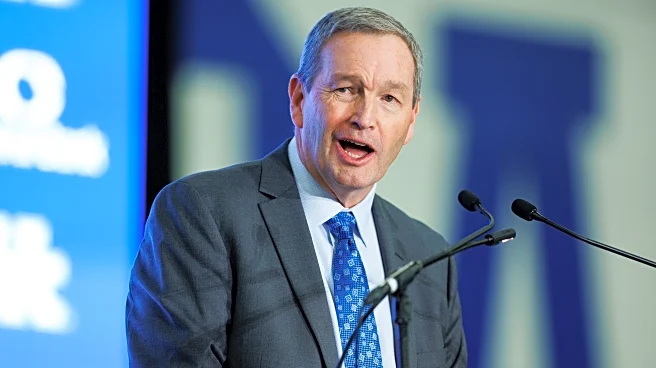
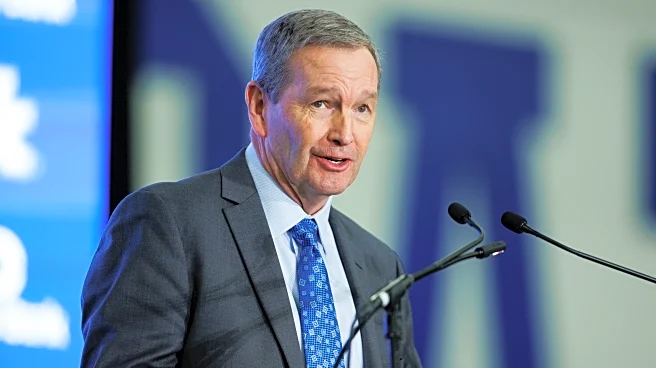
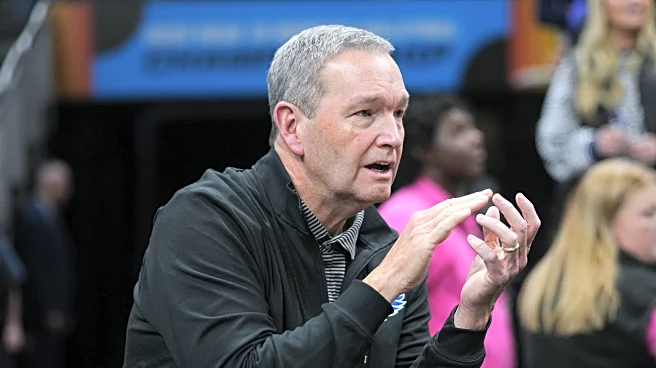
Mitch Barnhart, the long-serving athletic director of the University of Kentucky, is expected to announce his retirement soon, according to ESPN. Barnhart, who has been at the helm of the Wildcats' athletic department since 2002, is the longest-tenured
athletic director in any of the Power Four conferences. In August 2023, he extended his contract through 2028, with a clause allowing him to step down in July 2026 to assume a non-athletic role, potentially as a special assistant to Kentucky president Eli Capilouto. Under Barnhart's leadership, the Wildcats have achieved significant success, winning six national championships across various sports, including men's basketball and women's volleyball. The football program also saw notable achievements, including two 10-win seasons and a peak No. 7 AP ranking in 2022. Barnhart was recognized as the Division I Athletic Director of the Year by the Sports Business Journal in 2019.
Why It's Important?
Barnhart's retirement marks the end of an era for Kentucky athletics, as he has been a pivotal figure in the department's growth and success over the past two decades. His leadership has not only brought national championships to the university but also elevated the profile of its athletic programs. The transition could impact the strategic direction of Kentucky's sports teams, as a new athletic director may bring different priorities and management styles. This change is significant for stakeholders, including athletes, coaches, and fans, who have come to expect a high level of performance and achievement under Barnhart's tenure. Additionally, his move to a non-athletic role suggests a continued influence within the university, potentially affecting broader institutional strategies.
What's Next?
As Barnhart prepares to retire, the University of Kentucky will likely begin the search for his successor. This process will be crucial in determining the future trajectory of the Wildcats' athletic programs. The new athletic director will need to build on Barnhart's legacy while addressing any emerging challenges in collegiate sports, such as NIL (Name, Image, Likeness) regulations and athlete welfare. The transition period may also involve strategic planning to ensure a smooth handover and continuity in leadership. Stakeholders, including university officials and the athletic community, will be closely watching the developments to understand how the new leadership will shape the future of Kentucky athletics.