



What's Happening?
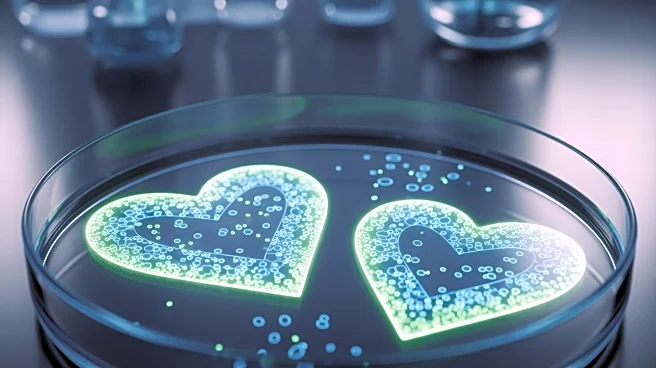
Axion BioSystems has announced that its Human iPSC-Cardiomyocyte MEA Assay has been accepted into the FDA's ISTAND Program. This marks the first stem cell-derived cardiac safety assay to be included in the program, which aims to advance innovative methodologies for drug development. The assay uses human induced pluripotent stem cell-derived cardiomyocytes and Axion's Maestro multielectrode array technology to assess cardiac electrophysiology. This approach provides insights into cardiac safety beyond traditional methods, potentially improving early assessment of clinical cardiac risk.
Why It's Important?
The acceptance of Axion BioSystems' assay into the FDA's ISTAND Program is a significant milestone in the field of drug development and cardiac safety assessment.
It reflects a shift towards more human-relevant, non-animal testing methods, which could lead to more accurate predictions of cardiac risk in new drugs. This development is crucial for the pharmaceutical industry, as cardiac safety is a major concern that can lead to late-stage drug failures. By improving early risk assessment, the assay could reduce the likelihood of such failures, potentially saving time and resources in drug development.
What's Next?
As part of the ISTAND Program, Axion BioSystems will work with the FDA to develop a Qualification Plan for the assay, defining its context of use and validation strategy. This collaboration aims to qualify the assay as a drug development tool, which could lead to broader regulatory acceptance of stem cell-derived cardiac safety data. The successful qualification of the assay may encourage other companies to adopt similar methodologies, further advancing the field of cardiac safety assessment.