



What's Happening?
Rivian Automotive is considering expanding its R2 electric SUV lineup to include a pick-up truck variant, as confirmed by CEO RJ Scaringe. This development follows the recent start of volume production of the R2 model at Rivian's Illinois plant. The R2 series
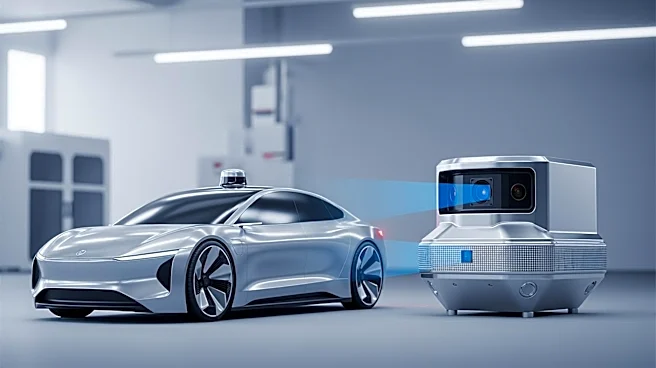
is crucial for Rivian's strategy to penetrate the mainstream market, as its current R1T and R1S models cater to the premium segment. Additionally, Rivian is exploring the possibility of manufacturing its own LiDAR sensors in the U.S., potentially through a joint venture with a Chinese technology company. This move aims to avoid direct procurement from Chinese suppliers, which has raised national security concerns. The R2 model is expected to play a significant role in Rivian's growth, with a projected 53% increase in deliveries contingent on smooth production ramp-up.
Why It's Important?
Rivian's strategic moves to expand its R2 lineup and explore domestic LiDAR manufacturing are significant for its growth and competitiveness in the electric vehicle market. The introduction of a pick-up truck variant could tap into the high demand for such vehicles in North America, potentially increasing Rivian's market share. The decision to consider domestic LiDAR production addresses national security concerns and aligns with broader industry trends towards localizing supply chains. These initiatives are crucial as Rivian seeks to transition from a niche player to a mainstream automotive manufacturer, aiming to achieve economies of scale and profitability.
What's Next?
Rivian's plans to expand its R2 lineup and explore LiDAR manufacturing could lead to further announcements regarding new vehicle variants and partnerships. The company's ability to execute these plans will be closely watched by investors and industry analysts, especially given its current financial challenges. Rivian's ongoing negotiations with potential partners for LiDAR production could result in new joint ventures or collaborations. Additionally, the success of the R2 model's production ramp-up will be critical in meeting delivery targets and achieving financial stability.