
What's Happening?
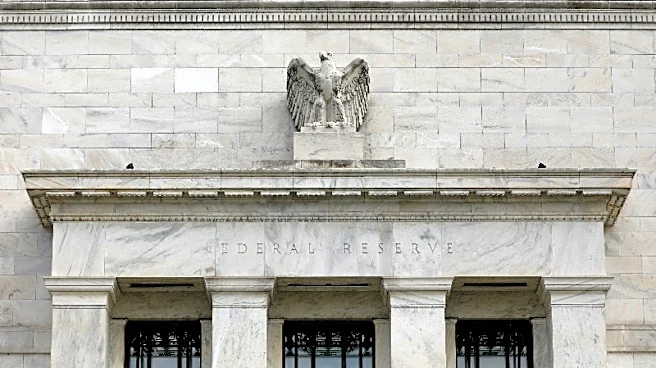
The U.S. Federal Reserve has proposed a new type of limited payment account aimed at fintech and crypto firms, allowing them to move money across the Fed's payment rails without the full benefits available
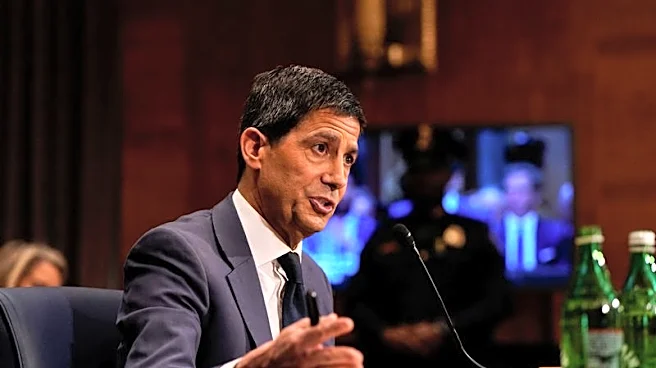
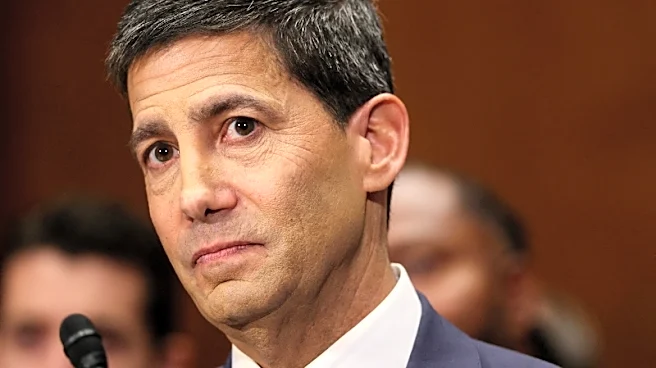
to traditional banks. This proposal, announced on May 20, 2026, would not include access to intraday credit or the Fed's discount window, nor would firms earn interest on reserves held at the Fed. The proposal is part of a broader effort to expand access to the Fed's payment system, following an executive order by President Trump. The Fed has asked regional banks to pause decisions on account requests from nontraditional firms to ensure consistent implementation. The proposal has faced dissent from Fed Governor Michael Barr, who expressed concerns about insufficient safeguards against illicit finance.
Why It's Important?
This proposal represents a significant shift in how fintech and crypto firms could interact with the Federal Reserve's payment system, potentially leveling the playing field with traditional banks. By allowing these firms limited access to the Fed's payment rails, the proposal could accelerate the integration of fintech and crypto companies into the mainstream financial system. However, it also raises concerns about regulatory oversight and the potential risks associated with granting such access to lightly regulated entities. Traditional banks, which have long resisted such changes, may face increased competition and pressure to innovate. The proposal's impact on the financial industry could be profound, influencing how financial services are delivered and regulated in the future.
What's Next?
As the proposal is pending, the Federal Reserve has instructed regional banks to halt decisions on account requests from nontraditional firms. This pause is intended to ensure a consistent approach across the country. The proposal will likely undergo further scrutiny and debate, particularly concerning regulatory safeguards and the potential risks of granting fintech and crypto firms access to the Fed's payment system. Stakeholders, including traditional banks, fintech companies, and regulatory bodies, will be closely monitoring developments. The outcome could shape the future landscape of financial services and the role of nontraditional firms in the U.S. economy.