





What's Happening?
Doug Allan, a celebrated wildlife filmmaker known for his work in remote and challenging environments, has died at the age of 74. Allan, who began his career as a marine biologist and diver, became a principal cameraman for iconic series such as 'The
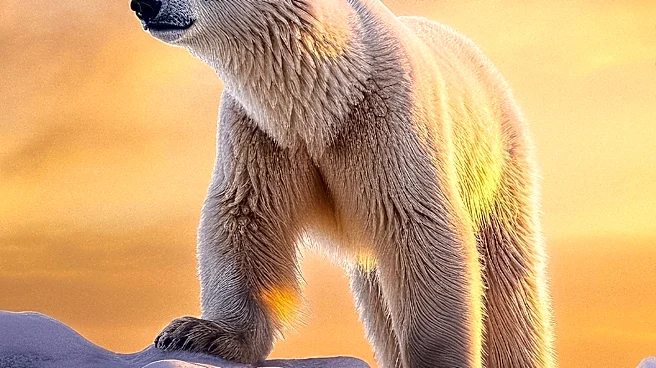
Blue Planet,' 'Planet Earth,' and 'Frozen Planet.' His work brought audiences closer to the natural world, capturing intimate moments with wildlife in polar regions and underwater settings. Allan's approach required patience and resilience, often waiting days for the perfect shot. His ability to film at close range without disturbing the animals was a hallmark of his career. Allan passed away after suffering a brain hemorrhage while trekking in Nepal.
Why It's Important?
Allan's contributions to wildlife filmmaking have significantly shaped public understanding and appreciation of remote ecosystems. His work has brought attention to the beauty and fragility of these environments, inspiring conservation efforts and raising awareness about the impact of human activities on wildlife. Allan's dedication to capturing authentic and undisturbed natural moments has set a standard in the field, influencing future generations of filmmakers and conservationists. His passing marks the loss of a pioneering figure whose work has left a lasting legacy in both the film industry and environmental advocacy.
What's Next?
Allan's legacy will likely continue to inspire filmmakers and conservationists to explore and document the natural world. His approach to wildlife filmmaking, emphasizing patience and respect for nature, may influence future projects and initiatives aimed at preserving endangered species and habitats. The film industry may also reflect on Allan's contributions, potentially leading to tributes or retrospectives celebrating his work. Conservation organizations might use his films to further their efforts in raising awareness and promoting sustainable practices.
Beyond the Headlines
Allan's career highlights the ethical considerations in wildlife filmmaking, such as the importance of minimizing human impact on natural environments. His work underscores the need for responsible storytelling that respects the subjects and habitats being documented. Allan's approach serves as a reminder of the delicate balance between human curiosity and the preservation of the natural world, encouraging ongoing dialogue about the role of media in conservation.