






What's Happening?
The TD Cowen/AFS Freight Index, a collaborative report by TD Cowen Inc. and AFS Logistics LLC, indicates ongoing price pressures across the U.S. freight market, particularly in truckload, parcel, and less-than-truckload (LTL) sectors. The report attributes
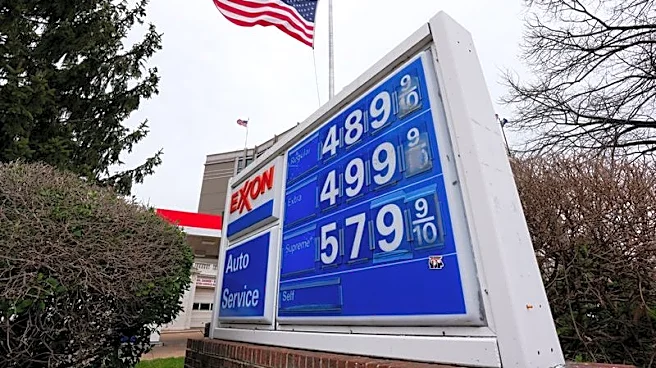
these pressures to a significant rise in fuel costs, which have led to the highest freight rates in nearly four years. The index utilizes advanced analytics and historical data to provide a comprehensive view of current and forecasted pricing trends. Key findings include a 13-quarter high in truckload rates due to supply-side corrections and stable demand, as well as record highs in parcel and LTL rates driven by elevated fuel surcharges and stabilizing demand. The report suggests that these pricing trends are likely to persist, with the truckload rate per mile index projected to exceed 10% above the January 2018 baseline in the upcoming quarter.
Why It's Important?
The findings of the TD Cowen/AFS Freight Index are significant for the U.S. logistics and transportation sectors, as they highlight the ongoing challenges posed by rising fuel costs and their impact on freight pricing. These pressures could lead to increased operational costs for businesses reliant on freight services, potentially affecting supply chain efficiency and consumer prices. The report underscores the importance of strategic planning and adaptation for carriers and logistics providers to manage these cost pressures. Additionally, the persistent price increases may influence broader economic conditions, as transportation costs are a critical component of overall business expenses and can impact inflationary trends.
What's Next?
As the freight market continues to grapple with elevated fuel costs and pricing pressures, stakeholders in the logistics and transportation industries may need to explore strategies to mitigate these challenges. This could include investing in fuel-efficient technologies, optimizing supply chain operations, and exploring alternative transportation modes. Additionally, regulatory developments and geopolitical factors, such as conflicts affecting oil prices, will likely play a role in shaping future market dynamics. Businesses may also need to consider the potential for further price adjustments and their implications for long-term planning and competitiveness.