






What's Happening?
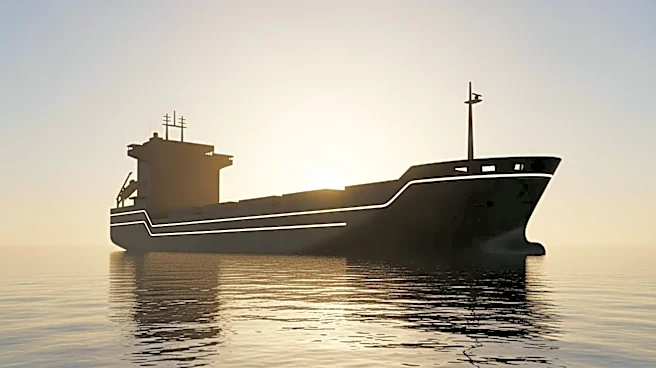
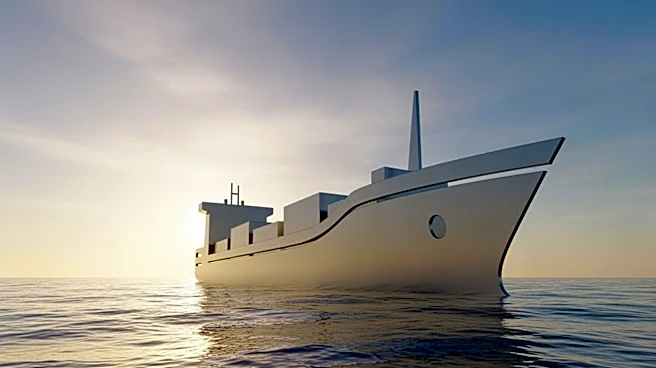
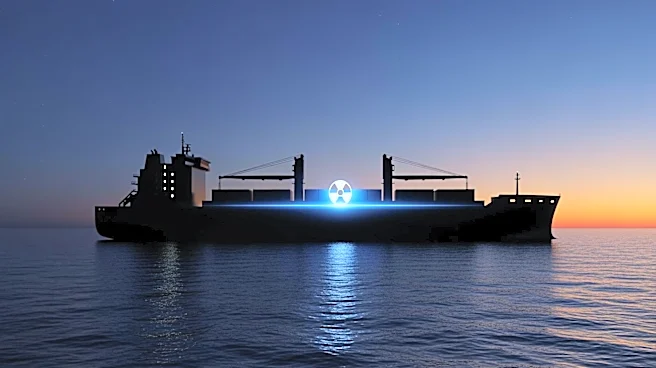
The American Bureau of Shipping (ABS) has granted approval in principle (AIP) for the integration of a nuclear reactor into a cargo vessel propulsion system. This innovative design is a collaborative effort by the Massachusetts Institute of Technology
(MIT), HD Korea Shipbuilding & Offshore Engineering (HD KSOE), and Capital Maritime Group. The design utilizes a special synthetic fluid to transfer heat from the reactor core, focusing on micro-scale thermal outputs of 10 to 20 megawatts. The reactor's near-atmospheric operating pressure allows for thinner, lighter reactor vessels, facilitating modular construction and easier transport. This AIP is the first to be granted through the MIT Maritime Consortium, which aims to advance maritime technologies.
Why It's Important?
The approval marks a significant step in maritime innovation, potentially transforming the shipping industry by introducing nuclear propulsion systems. This development could lead to more efficient and environmentally friendly shipping solutions, reducing reliance on fossil fuels. The integration of nuclear technology in maritime applications could also enhance energy security and operational efficiency. Stakeholders in the maritime industry, including shipping companies and environmental groups, may see this as a pivotal moment for sustainable maritime practices.
What's Next?
Following the approval, the next steps involve further development and testing of the nuclear propulsion system to ensure safety and efficiency. The consortium will likely engage with regulatory bodies to address any safety and environmental concerns. The successful implementation of this technology could prompt other maritime companies to explore similar innovations, potentially leading to widespread adoption of nuclear propulsion in the industry.