

What's Happening?
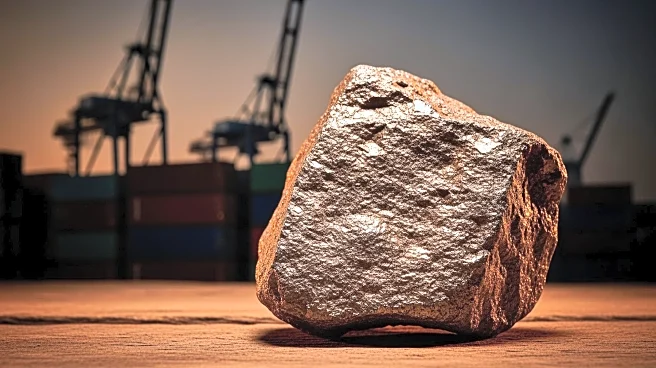
Australia's iron ore industry, a major contributor to global steel production, is facing structural challenges due to fluctuating prices, shifting demand, and increased competition. Despite producing 967.8 million tonnes of iron ore in 2025, the industry is grappling
with softer prices and reduced steel output in China, its largest market. The closure of several mines due to resource depletion and cost pressures highlights the ongoing challenges in maintaining production levels. However, exploration spending has surged, indicating continued investment in replenishing reserves and expanding capacity.
Why It's Important?
The challenges facing Australia's iron ore industry have significant implications for the global steel market and the Australian economy. As the world's largest supplier of iron ore, any disruptions in Australia's production can impact global supply chains and pricing. The industry's response to these challenges, including increased exploration and investment in new projects, will be crucial in maintaining its competitive position. Additionally, the shift towards low-carbon 'green iron' presents both opportunities and challenges for the industry as it seeks to adapt to changing market demands and environmental considerations.
What's Next?
Australia's iron ore industry is at a crossroads, with the potential to transition from a raw ore exporter to a producer of low-carbon direct reduced iron (DRI). This shift would require significant investment in upgrading ore quality, developing hydrogen supply chains, and building DRI plants. Collaboration between major industry players and government support will be essential in facilitating this transition. The industry's ability to adapt to these structural changes will determine its future competitiveness and role in the global market.