







What's Happening?
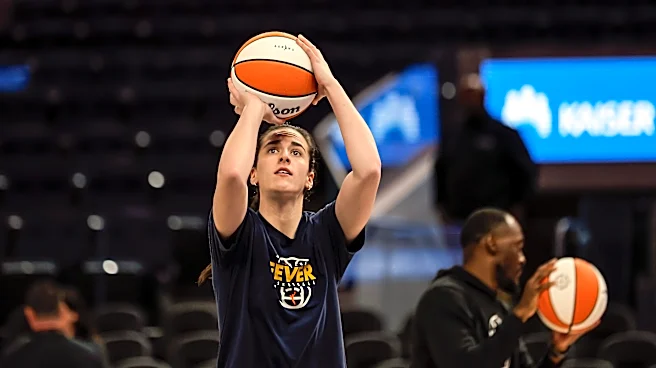
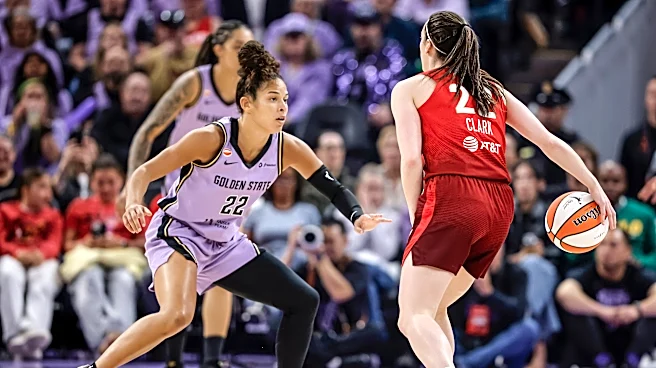
The Indiana Fever has revoked the press credentials of veteran reporter Scott Agness following his coverage of Caitlin Clark's absence from a game against the Portland Fire on May 20. Agness, who has covered the Fever for a decade, reported that Clark's absence was
part of a strategic management plan to manage her workload due to past injuries. The Fever's public relations team cited Agness' tweet, which described Clark's absence as part of a 'strategic management plan,' as inaccurate and unsubstantiated. Agness defended his reporting, stating that it was consistent with the team's cautious approach to managing Clark's health. The decision to revoke Agness' credentials has sparked criticism from the Professional Basketball Writers Association, which condemned the Fever's actions as an attempt to prevent reporters from informing the public.
Why It's Important?
This incident highlights the tension between sports teams and the media regarding access and transparency. The revocation of Agness' credentials raises concerns about press freedom and the ability of journalists to report on team decisions without facing repercussions. The situation underscores the challenges faced by independent journalists in maintaining access to teams and events, especially when their reporting is perceived as critical. The Professional Basketball Writers Association's condemnation of the Fever's actions reflects broader concerns within the journalism community about the implications of restricting media access. This development could impact how other teams handle media relations and the extent to which they allow independent reporting on sensitive issues.
What's Next?
The revocation of Agness' credentials may lead to further scrutiny of the Indiana Fever's media policies and their approach to handling player health information. The Professional Basketball Writers Association's involvement suggests that there may be ongoing discussions about media access and the rights of journalists covering sports teams. The Fever may face pressure to reconsider their decision, especially if public and media backlash continues. Additionally, this incident could prompt other sports teams to review their media relations strategies to avoid similar controversies. The outcome of this situation could influence how teams balance transparency with protecting player privacy and managing public relations.