




What's Happening?
Recent discussions among health experts emphasize the importance of increased protein intake for women undergoing menopause. As women age, they experience a natural decline in muscle mass and bone density, which can be exacerbated by hormonal changes
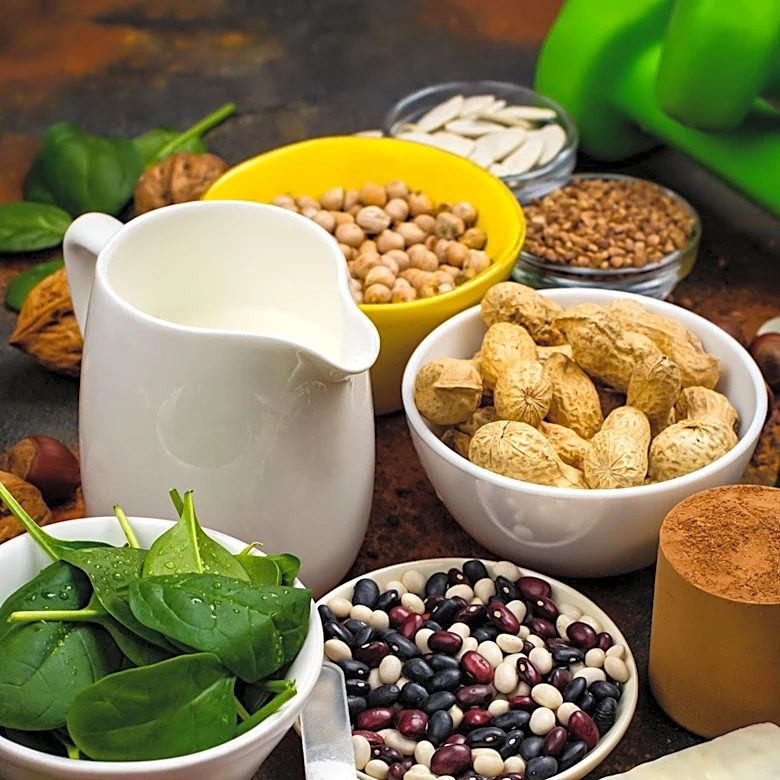
during menopause. Experts like Jennifer Salib Huber, a registered dietitian, suggest that women should aim for a higher protein intake than the general recommendation of 0.8 grams per kilogram of body weight. Instead, they should consider consuming between 1.0 to 1.6 grams per kilogram to help preserve muscle mass and support bone health. This adjustment is crucial as the body's efficiency in utilizing dietary protein decreases with age. Additionally, protein can aid in stabilizing blood sugar levels and promoting satiety, which is beneficial given the metabolic fluctuations that occur during menopause.
Why It's Important?
The emphasis on protein intake during menopause is significant due to its potential impact on long-term health outcomes for women. As muscle mass and bone density naturally decline with age, ensuring adequate protein intake can help mitigate these effects, reducing the risk of frailty and associated mortality. Furthermore, maintaining muscle mass is essential for metabolic health, as it can influence insulin sensitivity and overall energy expenditure. By addressing these nutritional needs, women can better manage menopause-related symptoms and reduce the risk of developing conditions such as osteoporosis and cardiovascular disease. This approach not only supports physical health but also enhances quality of life during and after the menopausal transition.
What's Next?
Women are encouraged to consult with healthcare providers to tailor their dietary plans according to individual health needs and goals. This personalized approach can help determine the optimal protein intake and incorporate it effectively into daily meals. Additionally, further research and public health initiatives may focus on raising awareness about the importance of nutrition during menopause, potentially leading to updated dietary guidelines and recommendations. As more women become informed about the benefits of protein, there may be an increased demand for resources and support to help them make informed dietary choices.