






What's Happening?
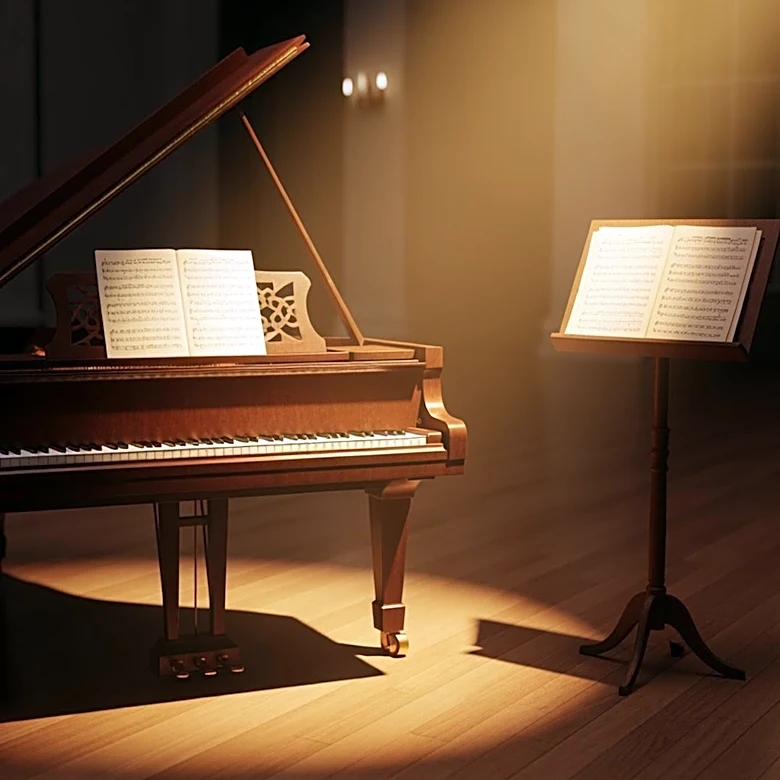
Payam Khastkhodaei has developed a new approach to teaching piano, known as the 'Payam Method,' which aims to make learning the instrument more enjoyable and engaging for students. This method, highlighted in a recent 60 Minutes segment, emphasizes personalized
instruction that allows students to play music they love, rather than adhering strictly to traditional classical repertoire. Khastkhodaei believes that students learn best when they are motivated and engaged, and his method delays formal instruction in scales and classical pieces to focus on music that resonates with the students. The approach is designed to foster creativity and personal expression, encouraging students to interpret music through their own emotions and experiences. The Payam Method is currently being taught in various locations across the United States, with plans for further expansion.
Why It's Important?
The introduction of the Payam Method represents a significant shift in music education, challenging the traditional, rigid methods that have dominated piano instruction. By focusing on student engagement and personal expression, this approach could lead to a more inclusive and enjoyable learning experience, potentially increasing the number of students who continue with music education. This method also highlights the importance of adapting educational practices to meet the diverse needs and interests of students, which could have broader implications for other areas of education. As more students find joy in learning music, there could be a positive impact on their overall academic performance and personal development.
What's Next?
As the Payam Method gains popularity, it is likely to influence other music educators and institutions to reconsider their teaching strategies. The expansion of Payam Music locations across the U.S. suggests a growing demand for this innovative approach. Future developments may include the integration of this method into school music programs and the creation of online resources to reach a wider audience. Additionally, the success of this method could inspire similar innovations in other areas of arts education, promoting a more holistic and student-centered approach to learning.