


What's Happening?
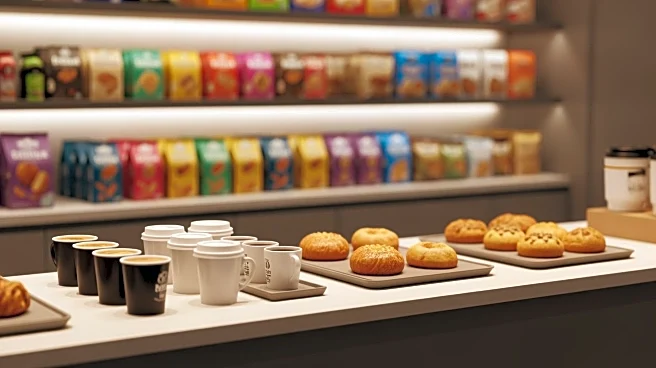
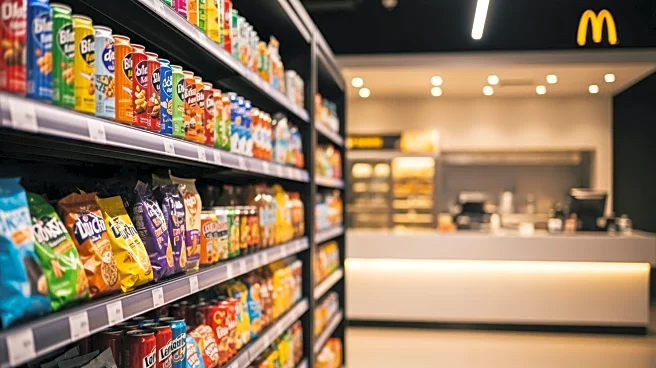
Convenience stores are increasingly modifying their foodservice offerings across different dayparts to remain competitive with fast-food establishments. Rutter's, a chain based in York, Pennsylvania, has seen a shift towards dinner offerings, partly due
to the introduction of sports bars and lounges at some locations. These venues offer adult beverages and live sports, attracting more customers during typically slower periods. The chain has also expanded its menu with pasta and pizza options, which have gained popularity. Other convenience stores, like U-Stop in Nebraska, have focused on hot food-to-go offerings, which have helped them compete with local restaurants. The industry is also seeing a shift in traditional meal times, with breakfast items being consumed later in the morning and dinner offerings becoming more diverse to cater to families.
Why It's Important?
The evolution of convenience store offerings is significant as it reflects changing consumer habits and preferences. By expanding their foodservice options, convenience stores are positioning themselves as viable alternatives to fast-food restaurants, potentially capturing a larger share of the market. This shift could impact the fast-food industry, forcing them to innovate and adapt to maintain their customer base. Additionally, the focus on diverse and high-quality food options at convenience stores could lead to increased consumer trust and loyalty, further driving sales. The trend also highlights the importance of convenience and efficiency in consumer choices, as people seek to minimize stops and maximize their time.
What's Next?
Convenience stores are likely to continue expanding their foodservice offerings, focusing on quality and variety to attract more customers. The industry may see further innovation in menu items and dining experiences, such as more integrated loyalty programs and limited-time offers to drive traffic. As consumer habits continue to evolve, convenience stores will need to adapt their strategies to meet changing demands, potentially leading to more partnerships with foodservice providers and technology integration to enhance customer experience.
Beyond the Headlines
The shift in convenience store offerings could have broader implications for urban planning and community dynamics. As these stores become more of a dining destination, they may influence local traffic patterns and consumer behavior. Additionally, the focus on convenience and efficiency aligns with broader societal trends towards multitasking and time management, reflecting changes in work-life balance and lifestyle choices. The industry may also face challenges related to sustainability and health, as consumers increasingly demand better-for-you options and environmentally friendly practices.