






What's Happening?
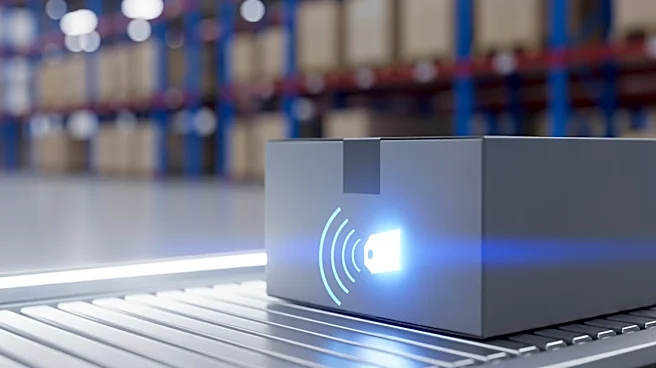
UPS has announced the implementation of radio frequency identification (RFID) package sensing across its U.S. small package network. This initiative aims to provide real-time visibility and reliability for customers by embedding RFID tags in labels and installing
sensors in delivery vehicles and facilities. The company has invested over $100 million in this technology, marking a significant advancement in logistics visibility. UPS is the first national logistics provider to roll out RFID technology at this scale, enhancing service reliability and offering a premium experience to its customers.
Why It's Important?
The deployment of RFID technology by UPS represents a major shift in logistics, moving from manual scanning to automated sensing. This change is expected to improve shipment visibility, reduce errors, and enhance delivery reliability. For businesses and consumers, this means fewer delays and more accurate tracking information. The initiative aligns with broader trends in logistics, such as IoT-enabled tracking and predictive analytics, which aim to improve customer experience and operational efficiency. UPS's move could set a new standard in the industry, prompting other logistics providers to adopt similar technologies.
What's Next?
UPS plans to extend RFID sensors to regional hubs and middle-mile facilities later this year, further enhancing its network's capabilities. This expansion will likely improve the accuracy and reliability of package tracking across the entire delivery process. As RFID technology becomes more integrated into logistics operations, customers can expect smarter analytics and new value-added services. The success of this rollout may influence other logistics companies to invest in similar technologies, potentially leading to widespread changes in the industry.