






What's Happening?
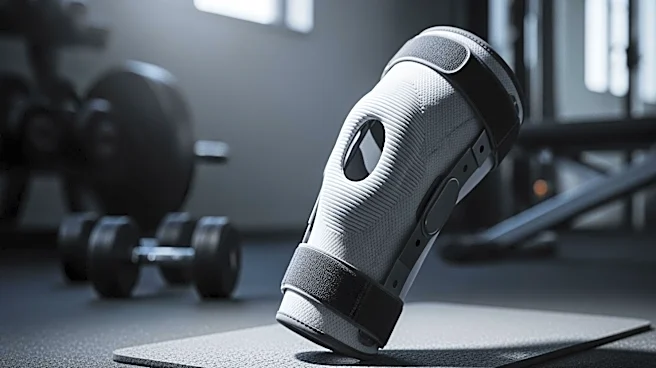
Female athletes who suffer from torn anterior cruciate ligaments (ACLs) face significant physical and mental challenges during recovery. Bianca Broughton, head athletic trainer in the Dallas Independent School District, highlights the emotional journey
these athletes undergo, akin to a grieving process for the temporary loss of their sport. The recovery process involves not only physical rehabilitation but also mental support to help athletes cope with the absence from their team environment. The report suggests that female athletes are more susceptible to ACL injuries, and the recovery process is complex, involving medical professionals, trainers, and the athletes themselves.
Why It's Important?
The struggle of female athletes recovering from ACL injuries sheds light on the broader issue of sports-related injuries and their impact on athletes' mental health. This is particularly significant as it affects young athletes' confidence, career prospects, and overall well-being. The focus on mental health support during physical recovery highlights the need for comprehensive rehabilitation programs that address both physical and psychological aspects. This could influence how athletic programs and healthcare providers design recovery protocols, potentially leading to improved outcomes for injured athletes.
What's Next?
As awareness of the mental health challenges associated with sports injuries grows, there may be increased advocacy for better support systems within athletic programs. Schools and sports organizations might implement more robust mental health resources and training for coaches and trainers to better support injured athletes. Additionally, research into injury prevention and recovery strategies could be prioritized to reduce the incidence of ACL injuries among female athletes.